
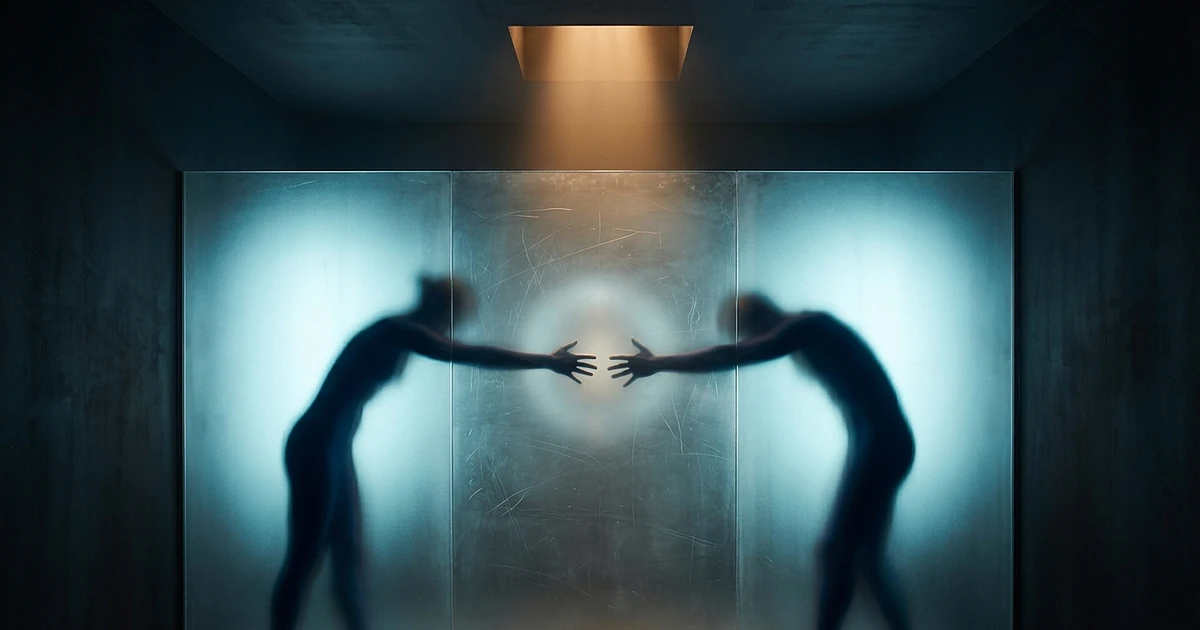
When one of the world's biggest dating apps loses 93% of its value, that's not bad luck. That's a warning sign.
Bumble, the app famous for its "women message first" concept, is in serious trouble. Its market value crashed from $8.2 billion at IPO in 2021 to just $530 million. In June 2025, Bumble laid off 240 employees, cutting 30% of its entire workforce. Founder Whitney Wolfe Herd returned as CEO to stop the bleeding.
But here's the real question: Is this just Bumble's problem? Or are we seeing something bigger?
Bumble's Numbers Tell a Clear Story
The numbers at Bumble are unforgiving: According to official investor data, revenue dropped 10% year-over-year in Q3 2025, landing at $246 million. Paying users collapsed by 16%, from 4.3 million to 3.6 million.
But here's where it gets cynical. While fewer people use the app, the remaining users pay more. Average revenue per user climbed 6.9%. Fewer people are paying more for an app that clearly isn't delivering what it promises. That's the business model in three words: monetizing desperation.
German users figured this out long ago. On Trustpilot, German Bumble reviews average just 1.3 out of 5 stars. The complaints are always the same: hardly any real profiles, bots everywhere, frustrating matches that go nowhere.
Why Bumble and Other Dating Apps Are Actually Failing
The problem isn't the technology. It's the business model.
Think about it: If Bumble made money when you found someone, the app would quickly match you with a compatible person. But Bumble makes money when you DON'T find someone. The longer you swipe, the more ads you see. The more frustrated you get, the more likely you are to buy premium features. This isn't a bug. It's by design.
That's why apps are losing long-term. They've misaligned their incentives: The app's goal isn't your Saturday night date. It's your screen time.
This dating app crisis at Bumble reveals a systemic problem: Profitability is optimized at the expense of user success. 79% of Gen Z already experience dating app burnout, according to psychologist Sari Cooper in Psychology Today. The constant disappointments from ghosting, fake profiles, and shallow matches take their toll. Only 12% of app users actually find long-term partners.
Singles Are Done With This
A Bumble survey of German singles reveals a clear trend: Singles are changing their strategy in 2026.
62.5% consciously questioned their dating habits in 2025. 77.9% want to learn from past mistakes rather than repeat the same patterns. This isn't superficial New Year's resolution stuff. This is serious change.
What does this look like concretely? Singles in 2026 are embracing "intentional dating": 32% prioritize respect and reliability, 21.6% want clear communication. The endless swiping has lost its appeal.
The numbers are clear: 20% of Germans have tried dating apps and quit. These aren't isolated cases anymore. It's a movement.
What Actually Works Instead?
For those looking for a real Tinder alternative: Not every app is fighting for survival. Hinge markets itself as "the app designed to be deleted" and maintains a 77% renewal rate for premium subscriptions. Revenue grew 25% in Q2 2025. The difference: Hinge profits when you find someone, not when you keep searching.
According to Business of Apps, community-driven platforms saw a 35% surge in user engagement between 2022 and 2024. Users are 42% more likely to find meaningful connections on niche platforms built around shared values.
For open-minded singles and the kink community, specialized platforms like SparkChambers offer an alternative to the swipe madness. Instead of endless profiles: a community built on genuine interests. Instead of algorithms designed to keep you hooked: events and connections with people who actually fit what you're looking for. Discover real connections on SparkChambers and find connections that actually matter.
Bottom Line
The Bumble crisis isn't a surprise. It's the result of a business model built on frustration rather than success. Singles are noticing based on their Bumble reviews and experiences, and they're changing how they date.
The dating app crisis shows: The future belongs to platforms that enable real connections. Not ones that profit from keeping you single.