
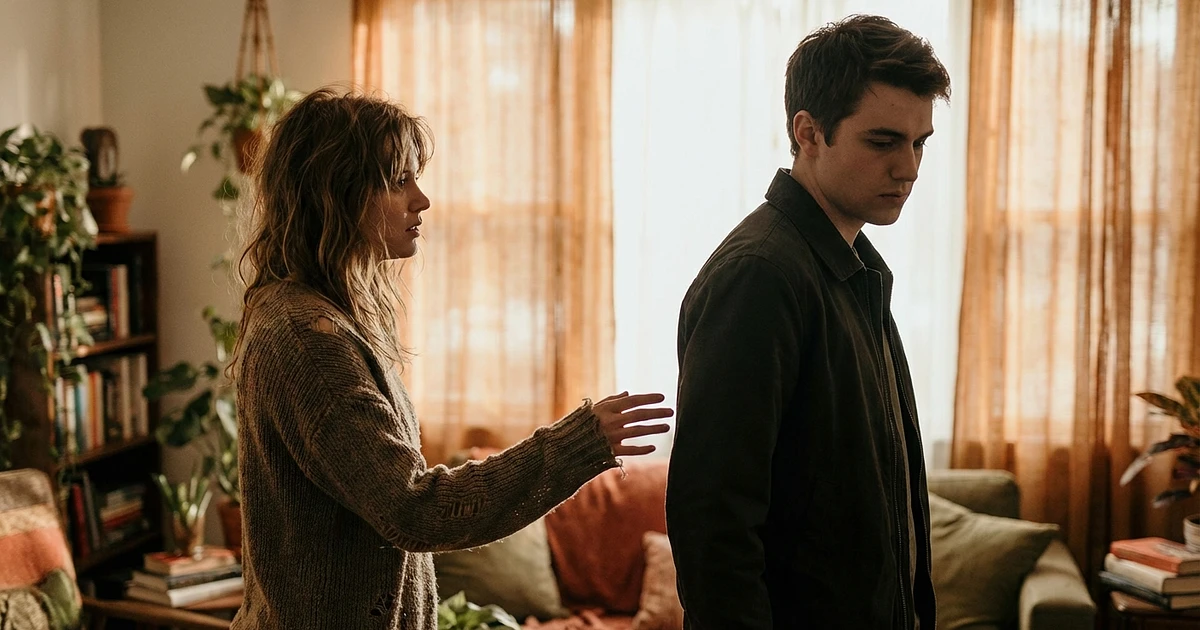
36% of German Gen Z wants to find their partner for life. No generation believes in true love more than this one.
And yet they date less than all who came before.
This is the readiness paradox: A generation that simultaneously believes in true love and grows lonelier while waiting for the perfect moment. A Parship study of 329 German singles shows more young people seek the great love than any other age group. At the same time, this generation is the loneliest since measurements began.
True Love: The Numbers from the Dating Study 2026
The dating study 2026 by Match Group and Harris Poll of 2,500 American singles shows the contradiction:
80% of Gen Z (ages 18 to 29) believe in true love. The highest of any generation. Far above the 57% average across all singles.
At the same time, only 55% feel ready for a relationship.
The study calls this gap between wanting and doing the "readiness paradox." An entire generation that knows what it wants but won't act on it.
Why Gen Z Waits: The Fear of Unhealthy Relationships
According to the study, certain prerequisites need to be met before Gen Z commits to relationships:
42% say they need to set healthy boundaries in relationships first
41% want to feel comfortable being alone
41% want to feel happy and fulfilled
37% want to invest in personal growth
Sounds reasonable. Self-care before relationships. Arrive at yourself first, then let someone in.
But here things get complicated. This relationship anxiety about "not being ready" blocks exactly what the generation craves most: genuine connection.
The Loneliness Trap: When Waiting Leads to Isolation
Research data shows: 80% of Gen Z felt lonely in the past year. For Baby Boomers, it's only 45%.
51% of Gen Z actively seeks connections to avoid loneliness. For older generations, that number is 26%.
The generation most focused on "being okay alone first" is the least okay being alone.
Chine Mmegwa from Match Group puts it this way: "It makes total sense to be stuck in that paralysis. I want this, I want a relationship, but I don't feel ready for it."
The paradox reinforces itself: Loneliness leads to feeling even less ready. The waiting makes you lonelier.
Sex, Kink, and Contradictions
Another paradox: Gen Z has less sex than previous generations. 62% report that one-night stands are uncommon in their friend groups. In the 2000s, 78% of Millennials had sex on first dates.
But Kinsey Institute data tells a different story: 55% of Gen Z report BDSM fantasies. For Baby Boomers, that's 12%.
Gen Z knows what they want. They just don't dare to act on it. The challenge lies in turning fantasies into safe reality. A space where you can talk about BDSM interests without fear of judgment.
What This Means: True Love Isn't Found Perfectly Prepared
The readiness paradox becomes a self-reinforcing cycle:
Gen Z sets high standards for themselves. Waits for the perfect moment. Gets lonelier in the process. Feels less ready because of it. Waits longer.
Dr. Justin Garcia from the Kinsey Institute says: "When we set up this false dichotomy of needs and wants, you're robbing yourself and your potential partner of ways to show up for each other."
Relationships are not rewards for completed self-optimization. They can be the space where growth happens. True love emerges when partners learn to openly communicate about needs and desires, rather than trying to be perfect first.
On SparkChambers, people meet who know what they want. With verified profiles and a safe space for real conversations. Without having to pretend they're perfect.