
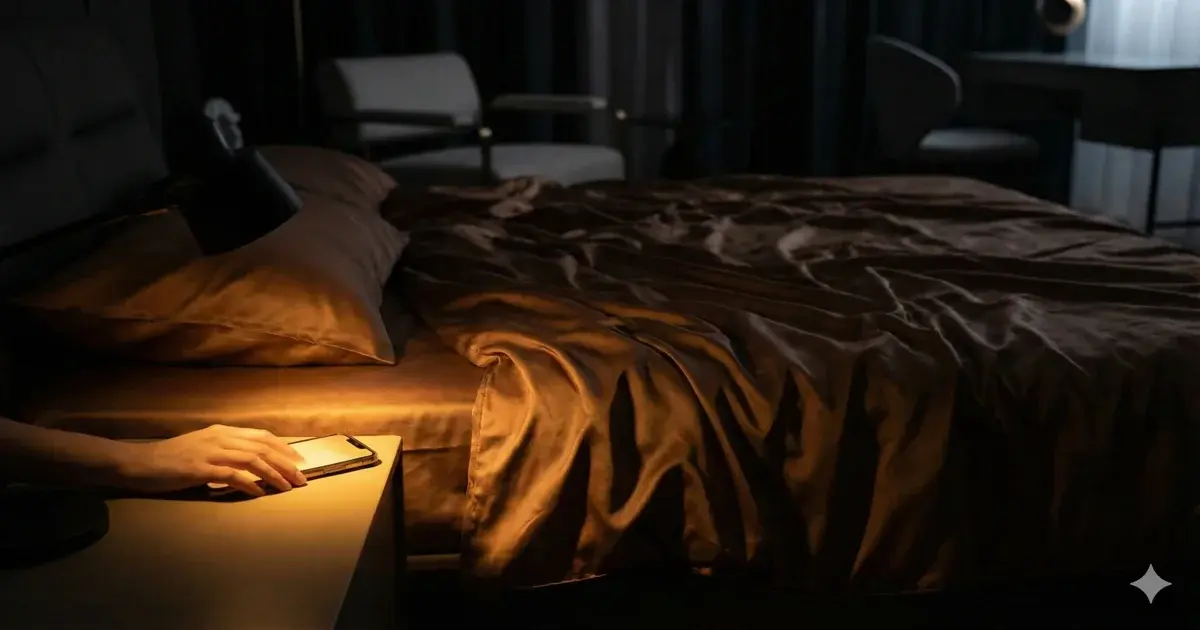
What Is It?
Filming refers to the practice of recording intimate or sexual moments on video for personal enjoyment, shared viewing, or creative expression. Unlike passive consumption of adult content, filming puts you behind the camera as both creator and subject. The resulting videos become personal artifacts of your sexuality and connection with partners.
This practice ranges from spontaneous phone recordings during intimate moments to carefully planned productions with lighting, angles, and direction. What distinguishes filming from simply having sex while a camera happens to be on is intentionality. People who enjoy filming actively engage with the recording process, considering how they want to capture their intimacy.
For many couples, filming serves as an extension of erotic photography into motion. The added dimension of movement, sound, and duration creates something more immersive than still images. Some keep their recordings entirely private, while others share with trusted partners or select audiences. The appeal often lies not just in watching the results, but in the act of creating together.
The Spectrum
| Level | Stage | What it involves |
|---|---|---|
| Light | Light | Casual phone recordings during intimate moments. Spontaneous captures without elaborate setup. Videos meant to be watched once together and potentially deleted. The focus is on the experience, with filming as an afterthought. |
| Moderate | Moderate | Intentional filming sessions with some preparation. Setting up good angles, ensuring decent lighting, maybe using a tripod for stability. Content created with the intention of keeping and rewatching. You think about what you want to capture before pressing record. |
| dedicated | Dedicated | Regular filming as part of your intimate routine. Building a personal library of content. Experimenting with different scenarios, locations, or dynamics. Potentially investing in better equipment for improved quality. |
| creative | Creative | Treating filming as an artistic practice. Planning productions with specific concepts, using multiple cameras, editing footage together, adding music. Some may share content on platforms designed for amateur creators, connecting filming with exhibitionist desires. |
Getting Started
Discuss thoroughly before recording
Conversation must happen before the camera turns on. Talk about what you're comfortable filming, who will see it, where it will be stored, and what happens to recordings if circumstances change. Written agreements aren't unromantic; they're protective.
Start with what you already have
Your smartphone produces better video quality than professional cameras did a decade ago. Begin with accessible equipment before investing in anything specialized. Good lighting matters more than expensive cameras.
Find your angles
Experiment with camera placement during non-sexual activities to understand what perspectives work best for your space and bodies. Filming from slightly above is generally more flattering than from below. Side angles capture movement well.
Address lighting basics
Natural daylight is forgiving and free. Avoid overhead lighting that creates harsh shadows. Ring lights or softbox lights designed for content creators offer affordable improvements if you want more control.
Consider audio
Most phone microphones capture sound reasonably well in quiet rooms. Background noise, music, or conversation become part of the recording. Decide what audio you want present.
Safety & Communication
Consent must be explicit and specific
Recording someone during intimacy without their knowledge and permission is illegal in Germany and most jurisdictions. Consent for filming is separate from consent for sex. Both must be clearly given. Never film anyone who hasn't agreed specifically to being recorded.
Discuss storage and access
Where will recordings live? Who can access them? What password protection exists? Cloud services may automatically backup content. Understand your technology before creating sensitive material. Keep recordings on devices you control.
Plan for relationship changes
Difficult but necessary. What happens to recordings if you break up? Many couples agree that both parties must consent to keep content, with either person able to request deletion. Establishing this before filming prevents painful disputes later.
Understand legal protections
Non-consensual sharing of intimate recordings is illegal in Germany under revenge porn laws. While legal recourse exists, prevention is preferable. Only film with people you trust deeply, and never share content without explicit permission for each specific sharing.
Secure your devices
Use strong passwords, enable encryption, and disable automatic cloud backup for sensitive material. Consider dedicated storage that stays offline. If devices are shared or could be accessed by others, take extra precautions.