
International Men's Day 2026: Strength Without the Script
 5 min read
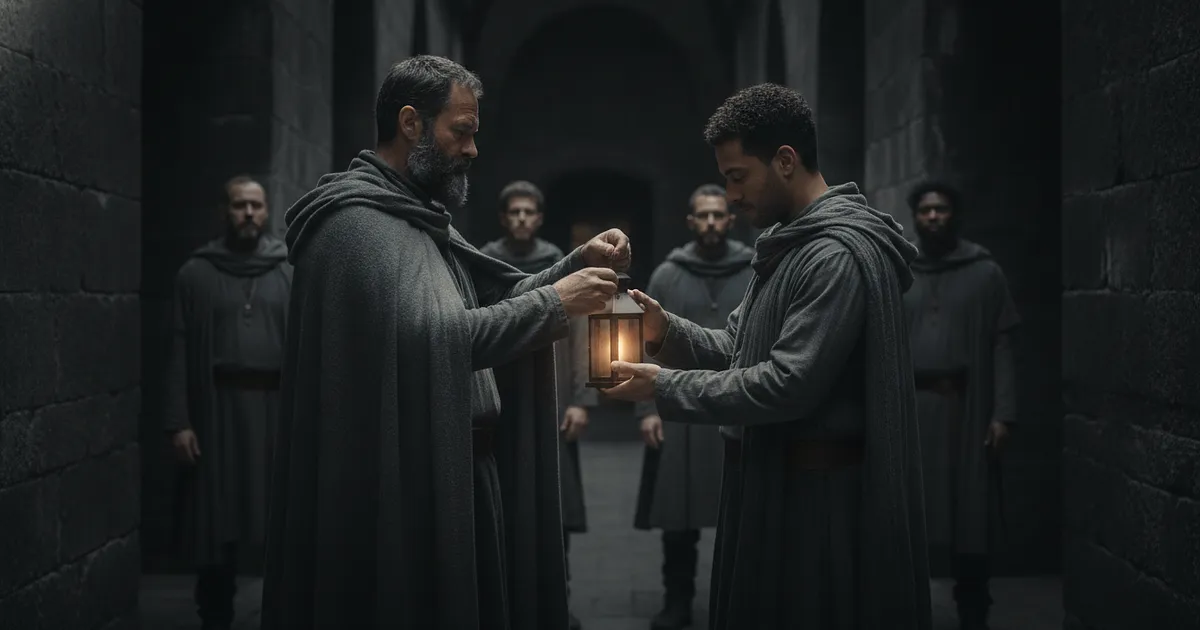
Strength gets praised most loudly when it looks like control. International Men's Day 2026 is a useful moment to ask what that leaves out: receiving care, admitting uncertainty, naming a limit, or choosing to follow in a consensual dynamic.
The day falls on Thursday, November 19. Its official theme is "The Future is Everyone". SparkChambers' focus on masculinity, submission and vulnerability is our editorial reading, not the campaign's official message.
Quick answer: Yes, a man can be masculine and submissive. A D/s role describes what someone chooses in a particular dynamic. It doesn't decide who he is outside it, whom he's attracted to or how much his masculinity counts. Vulnerability can mean accepting comfort, naming a limit, admitting uncertainty or choosing not to share yet.
The script leaves men too little room
The familiar script gives men plenty to do. Lead. Provide. Solve the problem. Keep the strain off everyone else's face. It gives them far less room to be comforted, guided or unsure.
That pressure can reach cis and trans men, though never in exactly the same way. Culture, racialisation, age and sexuality shape it. So do disability and class. The American Psychological Association's guidelines use the plural word "masculinities" for a reason: ideas about manhood change with social context and intersecting identities. Dominance can't be an entrance exam for being a man.
Public attitudes contain a telling contradiction. In a 2024 survey of 6,204 U.S. adults, Pew Research Center found that six in ten thought caring men and men who are open about their emotions weren't valued enough. The survey measures U.S. opinion, not men everywhere. Yet the tension is familiar. People praise openness in principle while some men may still find that showing it costs them status.
That is why conversations about men and vulnerability need more than the instruction to "open up."
Submission doesn't cancel masculinity
A consensual submissive role is chosen within an agreed context. It says nothing automatic about how someone behaves at work, whether he can lead, how confident he feels or who makes everyday decisions. Our guide to what dominant and submissive roles mean covers definitions and negotiation. For this article, one distinction is enough: role and gender identity answer different questions.
One result from a 2021 study of 279 BDSM practitioners matters here. Role groups differed in interpersonal dominance, but not in empathy. The authors didn't expect those differences to govern ordinary interactions.
The sample was self-selected and mostly female, so it can't describe every submissive man. Nor does it support the usual personality checklist.
Can a man be masculine and submissive at the same time? Of course. Submission may express trust, a willingness to be guided or simply a preference within one relationship. It assigns neither an orientation nor a verdict on manhood.
Vulnerability has to leave room for no
"Men should open up" sounds kind until it becomes another order. Disclosure isn't automatically safe, useful or owed. A trusted person and the right moment matter. So does the option to stop.
Vulnerability is often ordinary. A man names a limit before resentment builds. He says, "I don't know." He asks, "Do you have space to check in?" Sometimes he accepts reassurance. Sometimes the honest answer is "not yet."
Privacy can be a boundary, not a failure.
The research is more precise than the slogans. A meta-analysis of 78 samples and 19,453 participants found that different masculine norms had different associations with mental health and help-seeking outcomes. The self-reliance norm was linked with less favourable outcomes. Putting work first, by contrast, showed no significant association with the outcomes the researchers measured. These are associations, not proof that masculinity causes harm, and they aren't personal or therapeutic advice.
What changes when a man receives care?
Receiving care isn't the same as submission. Anyone can accept a kind message, practical help, quiet company or a check-in. In a D/s context, receiving may be part of a chosen role. Care still doesn't become ownership, and submission doesn't erase choice.
For one concrete form of chosen support, our guide to sexual aftercare and post-intimacy care looks at how partners can discuss what feels useful instead of assuming.
Consent keeps the distinction clear. Our guide explains why consent can be specific, ongoing and withdrawn. The National Coalition for Sexual Freedom's guidance centres explicit prior permission. A yes now isn't a promise for later, and anyone may stop at any time.
Healthy masculinity doesn't need a new checklist. It can make room for care without treating care as weakness, and for a chosen role without turning that role into a whole personality.
No one needs to trade one rigid masculinity for a softer but equally compulsory version. A man may lead, follow, accept care, keep something private or change his mind. The useful word is may.
Frequently Asked Questions
What does vulnerability look like in a man?
It may mean naming a limit, admitting uncertainty, asking for a check-in or accepting comfort from someone trustworthy. It can also mean saying "not yet." Vulnerability doesn't require public disclosure, and privacy can be a valid boundary.
Can a man be masculine and submissive?
Yes. Masculinity isn't a D/s role. Consensual submission is a chosen context and doesn't determine a man's worth, gender identity, everyday competence or sexual orientation.
Is vulnerability always safe?
No. Openness needs trust, context and boundaries. Nobody owes personal disclosure to an unsafe, hostile or unwilling audience. Choosing not to share can be an active decision.
Is receiving care the same as submission?
No. Anyone can receive care. Reassurance or a check-in may be part of a consensual submissive dynamic, but care and submission are separate ideas.
What is the official International Men's Day 2026 theme?
The official theme is "The Future is Everyone." SparkChambers' focus on masculinity, chosen submission and vulnerability with personal boundaries is an editorial interpretation, not an official campaign message.
Sources
- official theme is "The Future is Everyone" internationalmensday.com
- American Psychological Association's guidelines apa.org
- Pew Research Center found that six in ten pewresearch.org
- 2021 study of 279 BDSM practitioners academic.oup.com
- meta-analysis of 78 samples and 19,453 participants doi.org
- National Coalition for Sexual Freedom's guidance ncsfreedom.org