

What Is It?
Bondage refers to the practice of physically restraining a partner using ropes, cuffs, fabric, or other materials for erotic purposes. It's one of the foundational elements of BDSM, where one person consensually gives up physical freedom while another takes control. The practice spans everything from playful wrist-tying with a silk scarf to elaborate rope harnesses that transform the body into art.
At its core, bondage creates a power dynamic through physical restriction. The restrained partner surrenders mobility while the other partner gains responsibility for their pleasure, comfort, and safety. This exchange of control forms the psychological heart of the practice, often proving more significant than the physical sensations themselves.
What separates bondage from mere restraint is intention and consent. Two people actively choose these roles, negotiate boundaries beforehand, and maintain communication throughout. The person being bound isn't powerless in the relationship sense. They've granted power deliberately, which they can reclaim at any moment using established safe words or signals.
Explore related products: Bettfesseln „Hard Limits“ mit Augenbinde, Handschellen „Love Cuffs“ aus Stahl und Plüsch, 4-teiliges Fessel-Set „Bad Kitty Arm & Leg Restraints“ mit Klettverschluss.
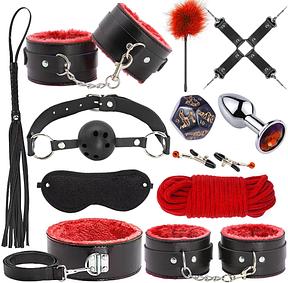
Not available in your region — closest match
View at Amazon (as of Aug 15)Affiliate link. Buying through it earns us a commission; the price stays the same for you.
Handschellen „Love Cuffs“ aus Stahl und Plüsch
View at ORIONAffiliate link. Buying through it earns us a commission; the price stays the same for you.
4-teiliges Fessel-Set „Bad Kitty Arm & Leg Restraints“ mit Klettverschluss
View at ORIONAffiliate link. Buying through it earns us a commission; the price stays the same for you.
Why People Enjoy It
Surrender without responsibility
Being bound allows the restrained partner to let go completely. They can't be expected to reciprocate or perform because they physically can't. This freedom from obligation often unlocks deeper relaxation and heightened sensation than regular intimacy provides.
Amplified trust and vulnerability
Few acts require more trust than letting someone tie you up. For many, this vulnerability creates emotional intensity that enhances physical pleasure. Knowing you're safe despite being helpless can feel profoundly intimate.
Heightened anticipation
When you can't move or see what's coming, every sensation intensifies. The brush of fingers, the pause before touch, the uncertainty of what happens next. Bondage turns the body into a canvas of anticipation where even light contact feels electric.
Power exchange dynamics
Some enjoy the control that comes with restraining a partner, while others crave the release of being controlled. Both roles offer psychological rewards that differ from egalitarian intimacy. The clear roles can feel liberating rather than limiting.
The Spectrum
| Level | Stage | What it involves |
|---|---|---|
| Light | Light | Using a scarf to loosely bind wrists during otherwise vanilla intimacy. The restraint is more symbolic than functional. Either partner could easily break free. The focus stays on the suggestion of control rather than actual immobilization. |
| Moderate | Moderate | Dedicated restraint using cuffs, ties, or basic bondage techniques. Movement becomes genuinely restricted. The bound partner relies on their partner for release. Sessions include negotiation beforehand and check-ins throughout. May incorporate blindfolds to enhance sensation. |
| Intense | Intense | Complex rope work, suspension elements, or extended scenes where bondage becomes the primary activity. Requires significant skill and safety knowledge. Often combined with other BDSM practices like spanking, wax play, or ice play. Both partners understand technical and emotional risks. |
| Advanced | Advanced | Elaborate rope bondage (shibari), suspension from anchor points, or scenarios involving sensory deprivation. Demands extensive experience, training, and trust. Physical safety concerns multiply significantly. Not recommended without proper education and practice. |
Getting Started
Start with communication
Before any rope touches skin, talk about desires, limits, and concerns. What appeals to each of you? What's off-limits? How will you communicate during the scene? These conversations matter more than equipment.
Use safe words
Establish clear signals for "slow down" and "stop completely." Many use the traffic light system: green means continue, yellow means pause or ease up, red means stop immediately. For situations involving gags, agree on non-verbal signals like dropping a held object.
Begin simple
Forget elaborate ties you've seen online. Start with wrist restraints using soft materials like silk scarves, neckties, or purpose-made cuffs with quick-release mechanisms. Master the basics before advancing to rope bondage techniques.
Keep safety scissors nearby
Even experienced practitioners keep emergency shears within arm's reach. If circulation becomes compromised or panic sets in, you need to release restraints immediately. Never assume you can untie knots under pressure.
Check circulation constantly
Numbness, tingling, cold skin, or color changes in fingers and toes signal problems. Check every few minutes by asking your partner to wiggle extremities. The bound partner should speak up immediately if something feels wrong.
Safety & Communication
Consent is non-negotiable
Bondage without clear, enthusiastic consent isn't play. It's assault. Both partners must actively agree, and that agreement can be withdrawn at any moment.
Never leave a bound person alone
Unexpected emergencies happen. Positions that feel fine initially can become painful. Emotional states shift. Someone must always be present and attentive when another person is restrained.
Avoid dangerous positions
Never put pressure on the front of the neck. Avoid restraining someone face-down where breathing could be compromised. Don't bind joints at extreme angles. When in doubt, research proper technique or take a workshop.
Watch for nerve damage
Numbness that persists after release, weakness, or shooting pains indicate potential nerve compression. This happens faster than most expect, especially around wrists and inner elbows. Padding and proper positioning prevent most issues.
Emotional aftercare matters
Bondage can trigger unexpected emotions during and after scenes. Plan time for aftercare: physical comfort, reassurance, hydration, and processing. Both the bound and binding partner may need support. Don't skip this step. Review our safety guidelines for comprehensive safe bondage practices.