What Is It?
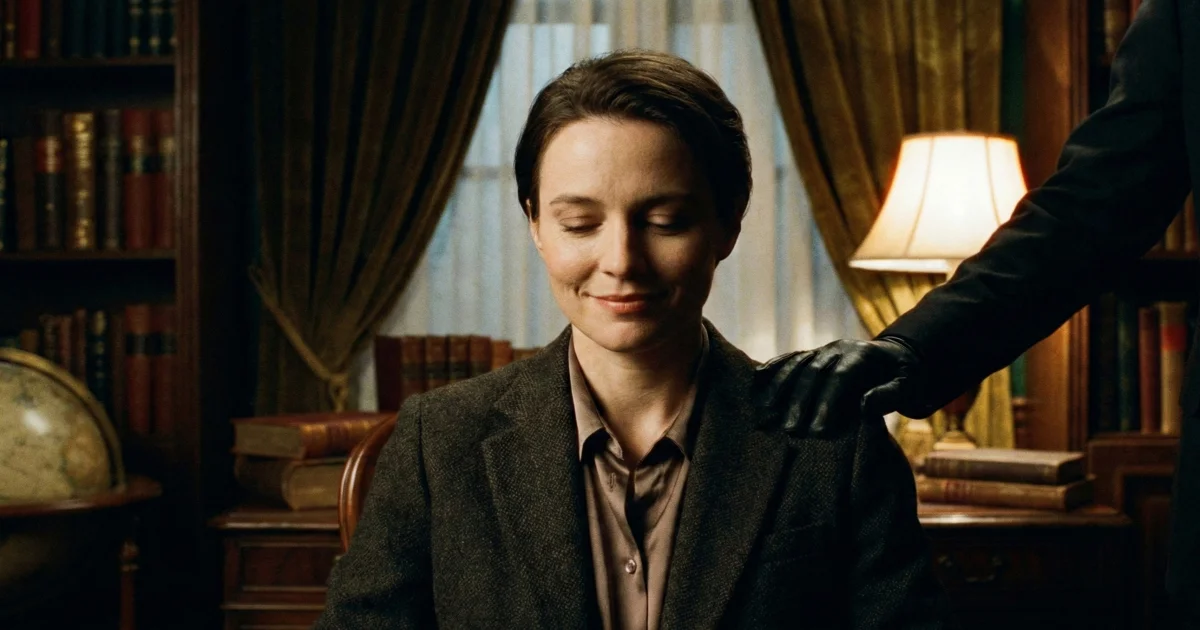
Try holding a table position for ten minutes. Knees on the floor, back parallel to the ground, completely still while someone sets drinks on your spine. Muscles start shaking around minute three. By minute seven, your brain goes somewhere else entirely. Some people call it meditative. Others call it transcendent. Welcome to human furniture.
Human furniture, also known as forniphilia, is an objectification kink within BDSM where someone becomes a functional piece of furniture. A footstool. A table. A chair. Sometimes a coat rack or lamp holder. This living furniture practice transforms a person into a useful object, staying still while their partner uses them exactly as they've agreed to become.
The formal term "forniphilia" was coined by bondage artist Jeff Gord in the 1990s. Gord was an engineer first, kinkster second, bringing that precision to human furniture BDSM like no one else. He designed specialized equipment and established safety protocols that practitioners still reference today. His key guideline: scenes shouldn't exceed two hours, and that's for experts. If you're just starting out, think in minutes, not hours.
This isn't passive submission. Holding a table position while someone places drinks on your back takes serious physical effort. Muscles shake, first a fine tremor, then visible quaking you can't control. Joints protest with that deep ache that tells you this position isn't natural. The body works hard to maintain stillness when every fiber wants to shift, adjust, move. Miss Jasmine, a professional dominatrix, puts it bluntly: "The body strains, muscles shake, limbs go numb. A long session requires patience and observation from both sides."
Why People Enjoy It
For the furniture:
Many describe it as meditative. When you can't move, can't speak, can't be anything but an object, everyday worries drop away. Some call it transcendent. Others find it deeply calming. One practitioner described it this way: "I spent twenty minutes as a footrest during her book club meeting. Couldn't move, couldn't participate, just held still while six women talked around me like I wasn't there. At first my mind raced, was I in the right position? Was I moving? Then somewhere around minute twelve, I stopped thinking entirely. Just breath and stillness. When the scene ended, I felt like I'd had a three-hour nap." There's also the service element. Being genuinely useful, even as an object, satisfies a specific kind of devotion. For those drawn to service submission, becoming living furniture represents the ultimate expression of "my body exists for your use."
For the user:
There's aesthetic pleasure in transforming a person into a beautiful, functional object. Power dynamics become literal and visible. And there's something satisfying about having a partner so devoted they'll hold an uncomfortable position just to be useful to you. The objectification itself can feel like creative expression, turning the human body into living sculpture. Miss Jasmine captures the range well: "The stillness can feel calming, degrading, or sacred depending on intent." Same activity, completely different emotional experiences based on how you frame it.
The Spectrum
| Level | Stage | What it involves |
|---|---|---|
| Light | Light: | Brief positions with minimal physical demand. Kneeling as a footstool during a TV show. Five to ten minutes, comfortable padding, no weight bearing. Good for trying the concept. (And yes, five minutes will feel longer than you expect when you're actually holding still.) |
| Moderate | Moderate: | Functional human furniture with actual use. Serving as a coffee table during conversation represents the middle ground of furniture play. Holding items, supporting light weight. Fifteen to thirty minutes with regular check-ins. Requires some physical preparation. |
| Intense | Intense: | Extended scenes with challenging positions. Full table positioning with objects placed on your back. Standing poses as coat rack or display. Longer durations, more demanding holds. This is where Gord's two-hour maximum becomes relevant, and you need genuine experience to approach it safely. Most people never need to progress beyond moderate level, there's no prize for enduring the most discomfort. |
Getting Started
Start with conversation, not positions.
Before anyone becomes a footstool, talk about what's actually appealing here. Is it the objectification (you're not a person, you're a thing)? The service (being genuinely useful makes you feel good)? The stillness (forced meditation when your brain won't shut up on its own)? If you don't know which of these you're chasing, you'll design a scene that misses the point entirely. Someone craving devotional service will feel empty in a degradation-focused scene. Someone seeking objectification won't get what they need from gentle, worshipful positioning.
Test positions without use first.
Here's what most people skip: Before anyone puts drinks on your back, hold that table position alone for five minutes. Just you, no weight, no audience. Feel where the strain hits. Maybe it's your lower back. Maybe your wrists start aching at minute four. These aren't theoretical problems, they're what will break the scene later when you can't speak up because you're supposed to be an object. Find them now. Then try with light weight (a book, a cushion) before committing to a full scene with your partner actually using you.
Invest in padding.
This isn't the place to be minimalist. Yoga mats, foam pads, knee cushions rated for actual kneeling (not the cheap decorative ones). Bare knees on hardwood for ten minutes will leave bruises that last a week and make you too sore to try again. Here's the test: if you kneel on your padding for five minutes and have visible marks afterward, you need thicker padding or better weight distribution. The goal is zero marks. If you're leaving knee imprints in your skin, you're leaving damage in your joints.
Set a timer.
Endorphins mask pain signals. "Just a few more minutes" becomes dangerous when you can't feel the damage building. Start with strict time limits. Five minutes for complete beginners. Build up slowly over multiple sessions.
Establish nonverbal signals.
You can't exactly shout "red" when you're being a silent piece of furniture. Holding a small object and dropping it works well. Three rapid taps on the floor. An open-close hand gesture. Figure this out before the scene starts.
Safety & Communication
Circulation:
Here's the rule: blood flow shouldn't stop for more than 15-20 minutes. Tingling, numbness, coldness, color changes, these aren't "push through it" signals. They're your body screaming "stop now." And here's the insidious part: when circulation cuts off, you can't feel nerve compression building underneath. By the time you realize something's wrong, damage might already be done.
Nerve compression:
Three nerves will ruin your month if you compress them wrong. Radial nerve in your upper arm, damage it and your wrist won't work (called "wrist drop," feels exactly as scary as it sounds). Ulnar nerve at your elbow, your hand goes numb and stays numb. Peroneal nerve behind your knee, foot drop, which means you can't lift your foot properly when you walk. These injuries can be permanent. Not "might be." Can be. Take every tingle seriously.
Positional asphyxia:
This one has killed people, not in BDSM horror stories, but in documented restraint cases where no one thought they were doing anything dangerous. Prone positions with weight on the torso don't feel like choking, breathing just gets harder, shallower, until it's too late. Never place significant weight on someone's chest or ribcage. If you're doing table positions, weight goes on buttocks and pelvis, not upper back. Not even a little.
Joint strain:
Knees, wrists, lower back take the most damage during extended positions. Maintain neutral spine alignment. No hyperextension. Build endurance gradually.
Check in every 10-15 minutes minimum.
Ask for verbal responses. Watch for warning signs visually. Even without distress signals, verify your partner is okay. Jeff Gord wasn't exaggerating when he said forniphilia "should only be carried out by experts." The risks are real. Learn about them before you try.