
SparkChambers
Search Search the site
Menu SparkChambers
Language Choose a language
Fetish

High Heels

Intensity Light to Intense

What Is It?

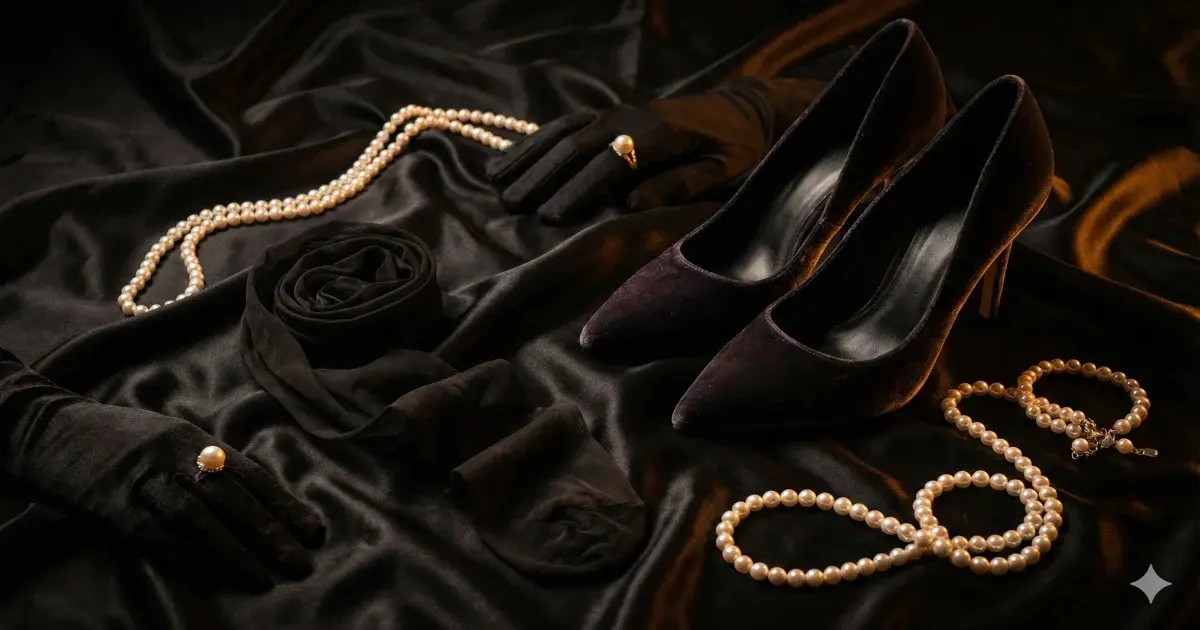
A high heels fetish - clinically called altocalciphilia - is a pronounced sexual attraction to high-heeled footwear. People with this interest find arousal in seeing, hearing, or interacting with heels worn by a partner, or in wearing heels themselves. The attraction often centers on specific styles: stilettos, pumps, platform heels, or strappy sandals with elevation.

This goes beyond noticing that heels look nice. Someone with a genuine high heels fetish may find the click of heels on hard floors exciting, feel drawn to specific heel heights or shapes, or experience arousal from the transformed posture and gait heels create. The shoes themselves can become objects of desire, not just accessories that complement an outfit.

High heels occupy a unique space in erotic imagery across cultures. Research confirms what fashion has long suggested - heels change how the body moves and appears in ways many find deeply attractive. Studies show that high heels alter gait biomechanics, increasing hip rotation and creating movement patterns rated as more attractive by observers. For fetishists, this visual and auditory appeal becomes a significant source of arousal rather than mere appreciation.

Why People Enjoy It

1

Physical transformation is immediate

High heels fundamentally change body posture. They arch the back, lift the buttocks, create the appearance of longer legs, and shift weight forward in ways that accentuate curves. Research by Morris and colleagues found that heels make walking appear more feminine and attractive due to exaggerated hip rotation and smaller strides. This visual transformation happens the moment someone puts heels on.

2

The sound creates anticipation

The distinctive click of heels on hard surfaces announces presence and movement. This auditory element adds a sensory dimension absent from most footwear. Many fetishists report that the sound of approaching heels creates anticipation and arousal before visual contact even occurs.

3

Power dynamics emerge naturally

Heels carry cultural associations with power, authority, and deliberate sexiness. Someone in towering heels often commands attention and projects confidence. This naturally plays into dominance scenarios for some. Conversely, the vulnerability of restricted movement and balance in heels can appeal to those interested in submission. The same object enables opposite dynamics.

4

Cultural conditioning runs deep

Decades of fashion, film, and photography have coded high heels as inherently sexy. These associations become internalized. What starts as cultural exposure can develop into genuine personal attraction over time, especially when early erotic experiences involve heels.

The Spectrum

Level Stage What it involves
Light Light

Those with a mild high heels fetish might find partners more attractive in heels, enjoy when heels complete an outfit, or notice heels in erotic imagery. The interest enhances attraction without dominating it. You might request heels for date nights or special occasions without them being essential.

Moderate Moderate

At this level, heels become a more intentional part of intimate life. You might have preferences about heel height, style, or color. Requesting that a partner wear heels during intimacy becomes regular rather than occasional. The visual or sound of heels actively contributes to arousal. Some people at this level enjoy shopping for heels together or building a collection.

Intense Intense

Deeper engagement makes heels central to sexual interest. This might include requiring heels for arousal, focusing on specific heel types with detailed knowledge about styles and brands, incorporating heels into scenarios where they stay on throughout intimacy, or developing interest in wearing heels yourself regardless of gender. Some fetishists collect heels, photograph them, or find the shoes themselves arousing independent of who wears them.

Getting Started

1

Identify your specific attraction

High heels come in endless varieties - stilettos, wedges, platforms, kitten heels, boots with heels, strappy sandals. Pay attention to what specifically draws you. Is it heel height? The shape? The sound? Certain colors or materials? Understanding your particular triggers helps you explore more effectively.

2

Communicate with partners

If heels enhance intimacy for you, say so directly. Many partners are happy to incorporate them once they understand the appeal. Be specific: "I find it really attractive when you wear heels" works better than hoping they'll figure it out. Share images of styles you find appealing if describing preferences feels awkward.

3

Consider comfort for the wearer

High heels can be uncomfortable, especially for extended wear or intimate activities. If a partner wears heels for you, appreciate their effort. Invest in quality footwear with better support. Suggest heels with platforms or lower heights if they're new to wearing them. The experience should be enjoyable for both people.

4

Explore the sensory dimensions

Don't limit appreciation to visual. Pay attention to the sound of heels on different surfaces. Notice how heels change posture and movement. Some enjoy touching the heels themselves - the smooth leather, the hard heel, the arch of the shoe. Engaging multiple senses often deepens the interest.

5

Pair with related interests

Heels combine naturally with other aesthetic preferences. Stockings and heels together create classic visual appeal. Lingerie often includes heel styling. If power dynamics interest you, heels can enhance dominance or submission scenarios. Explore these connections.

Safety & Communication

Physical safety matters

High heels alter balance and restrict natural foot movement. In intimate contexts, be aware that heels can cause injury if stepping on skin or during active movement. Discuss keeping heels on versus removing them. Some activities work better barefoot regardless of aesthetic preference.

Comfort should be prioritized

Extended wear causes foot pain, and walking on certain surfaces becomes hazardous. If a partner wears heels for your enjoyment, check in about their comfort. Have flats available for afterward. Never pressure someone to endure discomfort because the visual appeals to you.

Ankle safety requires attention

Rolling an ankle in heels can cause serious injury. Practice walking in new heels before intimate scenarios. Choose appropriate surfaces - carpet is safer than slick floors. If heels will stay on during activities, consider the range of movement and positions involved.

Consent covers the details

Discuss expectations clearly. Some people enjoy wearing heels; others find it performative in uncomfortable ways. If heels are important for your arousal, communicate that before intimate situations develop. Partners deserve to know about requirements that affect them.

Quality affects experience

Cheap heels often have poor construction, uncomfortable fit, and unstable heel tips. If requesting that partners wear heels, investing in quality footwear shows respect for their experience. Better shoes look better, feel better, and last longer. For the safest experience meeting new partners who share your interests, use a verified community where identities are confirmed.

Frequently Asked Questions

Multiple factors contribute. Heels physically transform posture in ways humans find attractive - arched back, lifted buttocks, elongated legs, and altered gait with increased hip movement. Research confirms these biomechanical changes increase perceived attractiveness. Culturally, decades of association with glamour, sexuality, and power have reinforced heels as erotic objects. The distinctive sound adds unique sensory appeal. For some, this combination of physical, cultural, and sensory elements creates genuine fetishistic attraction.

Completely. Shoe and foot-related fetishes are among the most common documented fetishes. Given how pervasively heels appear in erotic imagery and how consistently they're associated with attractiveness across cultures, finding them arousing makes sense. A fetish becomes concerning only if it causes distress or involves non-consenting parties. Enjoying heels on willing partners is entirely normal sexual expression.

Be direct and positive. Frame it as sharing what you find attractive: "I find you incredibly sexy in heels. Would you be open to wearing them more often when we're intimate?" Offer to shop together so they can choose comfortable styles they also like. Acknowledge that heels require effort and express appreciation when they wear them. Never frame requests as criticism of what they usually wear.

Sexual interests develop through complex interactions of biology, experience, and culture. Early associations between heels and arousal, repeated exposure, and positive experiences can all contribute to fetish development. Not everyone exposed to the same stimuli develops the same interests. If heels attract you, that's simply part of your sexual makeup - the origins matter less than how you express the interest ethically.

Prioritize their comfort. Explore alternatives - lower heels, platforms that distribute weight better, or styles with more support. Limit heel-wearing to shorter periods. Consider that requesting extended discomfort for your visual pleasure isn't fair. Some couples compromise with heels for the beginning of intimacy, then removal when practical. Communication about what works for both people is essential.

At a Glance

Category
Fetish
Also Known As
Altocalciphilia, stiletto fetish, heel worship, high heel kink
Intensity
Light to Intense
Requires
Nothing special (high heels of preferred style)
Good For
Visual appreciation Power dynamics All experience levels

Related entries

BDSM

Dominance

Dominance in BDSM refers to consensual power exchange where one partner takes psychological control while the other accepts that control within negotiated boundaries. The dominant partner (often called a Dom, Domme, or D-type) guides, directs, and takes responsibility for scenes or dynamics, while the submissive partner delegates authority to them. A critical distinction: the submissive doesn't surrender power. They delegate it. This delegation is conditional, temporary, and revocable at any moment through safe words or signals. The dominant holds borrowed authority, not ownership. This consensual foundation separates BDSM dominance from abuse or coercion. Dominance expresses itself through countless forms. Some Doms prefer nurturing guidance, others strict discipline. Some focus on bedroom-only power exchange, while others maintain 24/7 dynamics. The common thread is responsibility: a dominant partner accepts accountability for the submissive's experience, safety, and wellbeing during their exchange. Power flows both ways. The submissive's trust empowers the dominant; the dominant's care validates that trust.

View details
Fetish

Feet

A foot fetish - also called podophilia - is a pronounced sexual interest in feet. It's one of the most common fetishes worldwide, involving arousal from looking at, touching, massaging, kissing, or otherwise interacting with feet. The attraction can focus on the feet themselves, specific parts like toes or arches, or activities involving feet. This interest goes beyond casual appreciation. People with a foot fetish may find feet as arousing as more traditionally sexualized body parts. The attraction often extends to related elements: the way feet look in certain shoes, the appearance of painted toenails, the feel of soft soles, or the scent of feet after a long day. A foot fetish exists on a wide spectrum. For some, it enhances intimacy as one element among many. For others, feet become a central focus of sexual interest. Both are normal expressions of human sexuality. Research suggests this is among the most common body-part fetishes, with studies indicating millions of people share some degree of interest in feet. Whether you call it a feet kink or foot fetish, it's a well-documented part of human sexuality.

View details
Soft & Sensual

Lingerie

Lingerie - also known as intimate apparel or sexy underwear - refers to the appreciation and incorporation of beautiful, sensual undergarments into intimate experiences. This includes bras, panties, thongs, bodysuits, babydolls, teddies, chemises, negligees, camisoles, garter belts, and matching sets designed to enhance the wearer's appearance and confidence. Unlike everyday underwear chosen purely for function, these pieces are selected for their aesthetic appeal, the way they make the wearer feel, and their effect on a partner. The interest goes beyond simply wearing undergarments. It's about the intentional choice of pieces that create visual appeal, enhance anticipation, and add a layer of sensuality to intimate moments. This appreciation exists on a spectrum. For some, it's about seeing a partner in beautiful pieces. For others, it's about wearing sensual clothing themselves and experiencing the confidence boost it provides. Many couples use intimate apparel as a tool to mark special occasions, reignite spark, or simply add variety to their intimate life.

View details
Fetish

Shoe Fetish

A shoe fetish - clinically termed retifism - is sexual arousal focused on footwear itself rather than (or in addition to) the feet inside them. While often confused with foot fetishes, shoe fetish centers the shoe as the erotic object. The appeal might lie in how shoes look, their scent, their texture, or what they represent psychologically. This attraction encompasses far more than high heels, though heels certainly rank among the most common focal points. Someone with a shoe fetish might find arousal in sneakers fresh from the gym, worn leather boots with visible creases, strappy sandals, or even specific shoe brands. The variety reflects how personal and specific these attractions tend to be. Shoe fetishism has one of the longest documented histories among material fetishes. The French novelist Nicolas-Edme Rรฉtif, whose prolific writings included detailed descriptions of his shoe obsession, gave the fetish its clinical name. Research suggests that shoe and foot-related fetishes together comprise the most common category of body-part and object fetishes, affecting millions of people to varying degrees.

View details