
What Is It?
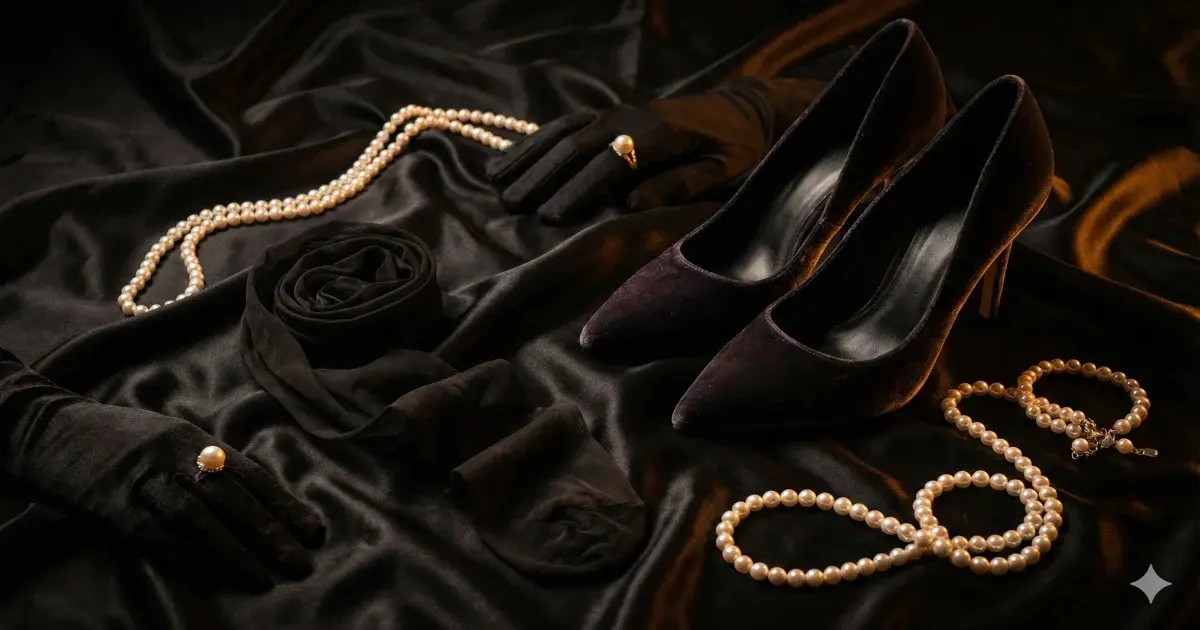
A shoe fetish - clinically termed retifism - is sexual arousal focused on footwear itself rather than (or in addition to) the feet inside them. While often confused with foot fetishes, shoe fetish centers the shoe as the erotic object. The appeal might lie in how shoes look, their scent, their texture, or what they represent psychologically.
This attraction encompasses far more than high heels, though heels certainly rank among the most common focal points. Someone with a shoe fetish might find arousal in sneakers fresh from the gym, worn leather boots with visible creases, strappy sandals, or even specific shoe brands. The variety reflects how personal and specific these attractions tend to be.
Shoe fetishism has one of the longest documented histories among material fetishes. The French novelist Nicolas-Edme Rétif, whose prolific writings included detailed descriptions of his shoe obsession, gave the fetish its clinical name. Research suggests that shoe and foot-related fetishes together comprise the most common category of body-part and object fetishes, affecting millions of people to varying degrees.
Explore related products: Bettstiefel aus Lack mit Stretch-Einsätzen.
Bettstiefel aus Lack mit Stretch-Einsätzen
View at ORIONAffiliate link. Buying through it earns us a commission; the price stays the same for you.
Why People Enjoy It
Sensory engagement runs deep
Shoes stimulate multiple senses in ways other objects rarely match. The visual appeal of specific styles, the distinctive smell of leather or worn fabric, the tactile sensation of different materials - each sense offers its own pathway to arousal. For some, the creak of new leather or the click of heels creates auditory triggers as powerful as visual ones.
They hold intimate traces
Worn shoes carry the imprint of their owner - shaped to their feet, holding their scent. This intimate connection to another person creates erotic charge for many shoe fetishists. The shoe becomes a proxy for the person, holding something of them even in their absence.
Cultural associations compound the effect
Shoes carry meaning beyond function. Stilettos signal deliberate sexuality. Combat boots project toughness. Ballet flats suggest innocence. These cultural codes layer onto personal attraction, giving shoes psychological dimension that plain fabric rarely achieves.
Power dynamics crystallize in footwear
The act of tending to someone's shoes - shining them, removing them, kissing them - naturally creates power exchange. The person in the shoes occupies an elevated position (sometimes literally). This dynamic appeals to those drawn to submission or dominance play, where shoes become tools of hierarchy.
The Spectrum
| Level | Stage | What it involves |
|---|---|---|
| Light | Light | Entry-level interest might involve noticing particularly attractive shoes on others, finding certain footwear styles inherently sexy, or preferring that partners wear specific shoes during intimacy. The attraction enhances experiences without dominating them. You might have opinions about shoes but don't organize your erotic life around them. |
| Moderate | Moderate | At this stage, shoes become a deliberate part of intimate engagement. You might request that partners keep shoes on during sex, feel drawn to smell or touch shoes as part of foreplay, or find yourself building a mental catalog of preferred styles. Shopping for shoes together might become its own form of foreplay. Specific details start mattering - heel height, material, degree of wear. |
| Intense | Intense | Deeper engagement makes shoes central to sexual interest. This could include collecting shoes specifically for erotic purposes, requiring footwear for arousal, developing detailed knowledge about styles and brands, or finding that shoes alone (without feet in them) can trigger arousal. Some at this level photograph shoes, create altars of footwear, or build extensive collections that serve primarily erotic rather than practical purposes. |
Getting Started
Identify what specifically attracts you
Shoe fetishism is remarkably personal. What type of shoe draws you? Is it the material - leather, suede, patent, canvas? The style - heels, boots (boot fetish being a common variant), sneakers, sandals? The condition - pristine and new, or worn with visible history? Narrowing down your particular triggers helps you explore more deliberately.
Separate (or connect) shoes from feet
Some shoe fetishists remain focused on footwear itself; others find shoes enhance existing foot attraction. Understanding where you fall helps clarify what you're actually seeking. Do you want the foot inside, or would the shoe alone satisfy? Both orientations are valid.
Start with accessible scenarios
Requesting that a partner wear particular shoes during intimacy offers a low-barrier entry point. Most partners won't find this unusual - shoes as part of an outfit make sense to many. From there, you can introduce more focused attention: admiring the shoes verbally, touching them deliberately, perhaps asking that they stay on longer than usual.
Explore the sensory dimensions
Don't limit engagement to visual appreciation. Handle shoes in your hands. Notice their weight, their construction, the difference between sole and upper. If scent matters to you, spend time with that dimension consciously rather than furtively. Bringing awareness to what you're experiencing often deepens the connection.
Consider the collection question
Many shoe fetishists develop collections - sometimes practical footwear with erotic undertones, sometimes items that serve purely fetish purposes. There's nothing wrong with this, though it does require space and discretion depending on your living situation.
Safety & Communication
Consent extends to the details
If you want a partner's shoes involved in intimacy, communicate that clearly beforehand. "Keep your shoes on" during the moment differs from establishing mutual interest in advance. Some partners will enthusiastically participate; others may feel uncomfortable. Both responses deserve respect.
Hygiene matters for certain activities
If shoe worship involves licking or kissing footwear, cleanliness becomes relevant. Shoes worn outside collect what streets contain. Establishing which shoes serve which purposes - outdoor versus bedroom-only - helps manage health considerations.
Be honest with potential partners
Shoe fetish is common enough that many partners have encountered it or hold some version themselves. Hiding a significant interest creates distance in relationships. Mentioning that shoes particularly attract you during early dating conversations helps identify compatible partners.
Storage and discretion
If you collect shoes for erotic purposes, consider how visible this is to others in your life. Not everyone who enters your space needs to understand the full significance of your footwear collection. Organizing in ways that protect your privacy while still allowing access serves most people well.
Know that this is normal
Shoe fetish has centuries of documented history and affects far more people than will ever discuss it openly. If you feel embarrassed, remember that you're in extensive company. Treating your interest as something shameful makes exploration harder and connection less likely.