

What Is It?
Sex toys are objects designed to enhance sexual pleasure, either alone or with a partner. They range from simple vibrators and dildos to sophisticated app-controlled devices that can be operated from across the room or across the world.
The category is remarkably diverse. Vibrators use various patterns and intensities to stimulate sensitive areas. Dildos offer penetration without vibration. Cock rings enhance and prolong erections while often providing clitoral stimulation for partners. Anal toys like plugs and beads explore often-neglected nerve endings. Couples toys are specifically designed to be used during partnered sex.
What sets toy enthusiasts apart isn't just ownership. It's the intentional use of these products to explore pleasure, expand sexual horizons, and enhance intimacy. Whether you're adding a bullet vibrator to foreplay or incorporating restraints and remote-controlled toys into elaborate scenes, the common thread is using tools to amplify sexual experience.
Explore related products: Massagestab „recharge“, wiederaufladbar, Klitorisvibrator mit soften Vibro-Öhrchen, Paarvibrator „Multi Function“ mit Penis- & Hodenring, Klitoris- & Analvibrator.
Massagestab „recharge“, wiederaufladbar
View at ORIONAffiliate link. Buying through it earns us a commission; the price stays the same for you.
Klitorisvibrator mit soften Vibro-Öhrchen
View at ORIONAffiliate link. Buying through it earns us a commission; the price stays the same for you.
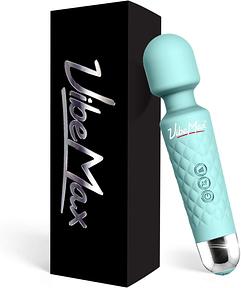
Not available in your region — closest match
View at Amazon (as of Aug 15)Affiliate link. Buying through it earns us a commission; the price stays the same for you.
Why People Enjoy It
Enhanced sensation and pleasure
Toys can provide stimulation that hands or bodies simply cannot replicate. Vibrators deliver consistent, targeted sensation at intensities from whisper-soft to powerfully intense. Research shows that people who use sex toys report higher sexual satisfaction and better orgasms than those who don't.
Exploration without pressure
Toys create a low-stakes way to discover what feels good. You can experiment with different sensations, speeds, and areas of the body without the performance pressure that sometimes accompanies partnered sex. This freedom often leads to greater self-knowledge and sexual confidence.
Deeper connection with partners
Contrary to the myth that toys replace partners, research shows the opposite. Couples who use toys together report better communication about sex, more openness to trying new things, and higher relationship satisfaction. Introducing a toy becomes an opportunity for conversation about desires. For couples exploring together, creating a couple profile can help you connect with others who share your interests.
Accessibility and inclusion
Toys level the playing field. They help people with physical limitations achieve pleasure independently. They assist those experiencing difficulties with arousal or orgasm. For gender-diverse individuals, certain toys can affirm identity and allow bodily experience that aligns with who they are.
The Spectrum
| Level | Stage | What it involves |
|---|---|---|
| Light | Light | Entry-level exploration Simple bullet vibrators or basic massage wands. Small, non-intimidating products used for external stimulation. Focus on discovering what sensations appeal to you. Low commitment, easy to store discreetly. |
| Moderate | Moderate | Expanding horizons More sophisticated vibrators with multiple settings. Internal toys like dildos or G-spot vibrators. Couples toys like vibrating cock rings or remote-controlled insertables. Beginning to explore different categories like anal plugs with flared bases. |
| Intense | Intense | Full integration Comprehensive toy collections covering multiple categories. App-controlled devices for partner play at any distance. Integration with other kinks like bondage (restraints, spreader bars) or sensation play. Custom or high-end products. Toys become a regular, integral part of your sexual expression. |
Getting Started
Start simple
Your first toy doesn't need bells and whistles. Sex educators consistently recommend beginning with something small that vibrates. Bullet vibrators are affordable, easy to use, and non-intimidating. Focus on external stimulation before exploring internal toys.
Invest in quality
Body-safe materials matter. Look for medical-grade silicone, stainless steel, or glass. Avoid toys made from jelly, TPE, or PVC, as these porous materials can harbor bacteria. Quality toys may cost more but last longer and are safer.
Use appropriate lubrication
Lube transforms the toy experience. Water-based lubricants work with all toy materials. Silicone-based lubes feel silkier but can damage silicone toys. Never use numbing agents, as pain is your body's warning system.
Clean properly
Wash toys before and after every use with warm water and mild soap or dedicated toy cleaner. Store them in clean, breathable bags or cases. Non-porous materials (silicone, glass, steel) can be sanitized; porous materials cannot be fully sterilized.
Communicate with partners
If you're introducing toys into partnered sex, talk about it outside the bedroom first. Frame it as adding to your experience together, not replacing anything. Discuss what you're curious about and ask what they might enjoy.
Safety & Communication
Material safety is non-negotiable
Only use body-safe materials. Porous toys can trap bacteria even after cleaning. If a toy smells strongly of plastic or chemicals, don't use it internally. When in doubt, cover toys with condoms. When shopping within a verified community, you can connect with experienced users who share trusted recommendations.
Flared bases for anal play
The rectum has no natural stopping point. Any toy used anally must have a flared base, retrieval cord, or other mechanism preventing full insertion. This is not optional, as emergency room visits for lost objects are more common than you'd think.
Respect boundaries and consent
Never surprise a partner with a toy during sex. Discuss beforehand. If a partner says no to a particular toy, respect that without pressure. Consent applies to how toys are used, not just whether they're used.
Listen to your body
Stop if anything hurts. Pain during toy use signals something is wrong, whether it's inadequate lubrication, wrong size, or underlying issues worth discussing with a healthcare provider. Pleasure should never hurt.
Share the conversation, not the toys
Unless toys can be properly sanitized (non-porous materials only), avoid sharing between partners without barrier protection. Different bodies have different flora; what's harmless for one person might cause infection for another.