Shibari for Beginners: Rope Types, Safety and Getting Started
 11 min read
Most shibari for beginners content online rushes straight to knots. I think that's backwards. Before anyone picks up a length of rope, the things that keep two people safe are a conversation, a pair of shears within reach, and knowing which parts of the body you never squeeze. This is a starting point, not a tutorial. You won't find a single tie diagram here, and that's on purpose.
Rope can be beautiful. It can also hurt someone in ways that take months to heal. Both are true at once, and pretending otherwise is its own kind of danger.
So let's start where you should actually start. Not with a knot.
What shibari for beginners means
The shibari meaning is roughly "to tie." It's the Western-adopted name for a Japanese rope practice, and its close cousin kinbaku ("tight binding") carries more of the artistic, relational tradition behind it. People come to it for very different reasons. Some want intensity. Some want the meditative, almost trance-like focus of being tied or doing the tying. Some just find it beautiful to look at.
Here's a thing that trips up a lot of newcomers reading up on shibari basics: it doesn't have to be sexual. As several practitioners point out, rope can be purely aesthetic, or a connection practice, or a kind of moving meditation on the floor. The erotic version is real and common. It just isn't the whole thing, or a requirement.
Two words worth knowing before we go further. The person tying is often called the rigger. The person being tied is the rope bottom, sometimes "bunny." I'll use those.
And one honest framing, up front: what most beginners should be doing is floor work. Ties where the person stays on the ground. Suspension, where the body is lifted off the floor by the rope, is a specialist skill with a real injury record, and this guide does not cover it. More on why below.
Talk before you tie
If you take one idea from this piece on shibari for beginners, make it this one. The rope is the last part, not the first.
The kink world has a couple of shorthand frameworks for this, and they're worth understanding because they shape how careful people actually behave. The older one is SSC: Safe, Sane, Consensual. The one a lot of rope people prefer now is RACK. Coined in 1999, RACK stands for Risk-Aware Consensual Kink, and it exists precisely because people kept reading the "safe" in SSC as "risk-free." Its originator compared rope and kink to mountain climbing. The risk doesn't vanish. You manage it through study, practice, and honesty, and you both agree to it with your eyes open.
So what does a real conversation cover before any rope comes out? A few things, and not in a tidy list of three, because real ones are messier than that:
What each of you actually wants out of it, and what you definitely don't
Hard limits. The stuff that's off the table, full stop, no negotiating in the moment
A safeword, plus a non-verbal signal for when a gag or headspace makes talking hard
Medical stuff. Old injuries, joint problems, high blood pressure, diabetes, anything circulatory. This is not oversharing. It changes what's safe
How you'll check in once you've started
One more piece people forget: consent doesn't get locked in at the start and left there. It's revocable. Someone can be enthusiastic during negotiation and want to stop ten minutes in, and "stop" wins every single time, no matter what was agreed earlier.
Shibari for beginners: choosing your first rope
Okay. Now we can talk about the actual rope, because you've done the harder part.
There's no single "correct" shibari rope, but the material genuinely matters, and it helps to understand why rather than just buying what a shop tells you to. Four options come up again and again.
Cotton is the usual beginner recommendation, and there's a good reason for it. It's soft, forgiving, and cheap, so a mistake costs you less. The catch is that it stretches. A lot. As rope educators put it, if you think you've tied it nice and snug, you're probably wrong, because cotton compacts under load. Great for learning the feel of rope on skin. Less predictable for anything that needs to hold steady tension.
A budget-friendly cotton set is a perfectly sensible way to find out whether you even like this before spending real money. Something like the 3-teiliges Bondageseil-Set "Bondage Ropes", 1 x 20 m, 2 x 3 m gives you a long working piece plus a couple of shorter lengths, which is roughly what a beginner wants for basic floor practice.
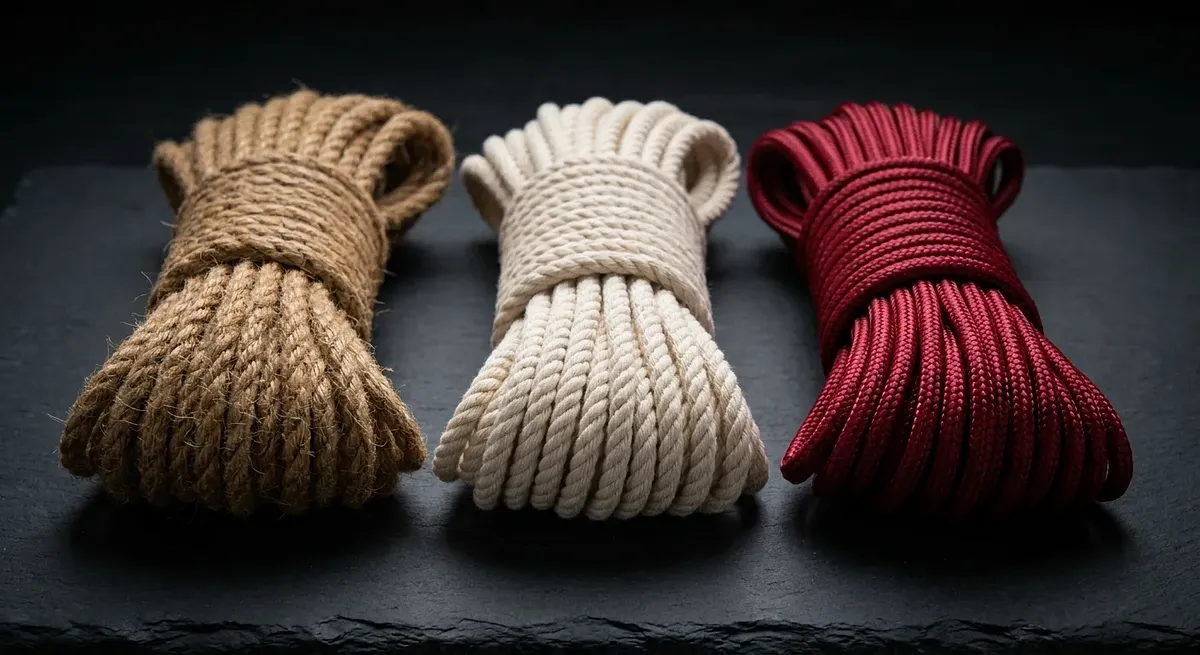
Jute is the classic natural fiber most experienced riggers eventually move to. It holds its "tooth," the grip that keeps a wrap from sliding, and it barely stretches, which is exactly why it's preferred for tension-based ties. The trade-off is care. Jute rope for shibari usually needs conditioning, oiling, and a bit of maintenance, and it's less forgiving of a sloppy tie. Worth it later, not on day one.
Hemp is jute's coarser cousin: similar grip, similar low stretch, but a rougher texture some people like and others find too harsh on skin. It needs the same conditioning routine as jute. Try both before you commit to a full set of either.
Nylon and MFP (that shiny synthetic stuff) are strong and washable, and some people love nylon for its slippery, sensual feel. But slippery is also the problem. Knots work loose more easily, so synthetics tend to be a specialty choice rather than a default beginner rope.
My honest take? Start with cotton or a basic jute, keep the lengths manageable (something around 7 to 8 meters is plenty to learn on), and don't let a rope shop upsell you into a suspension-grade kit you have no business using yet.
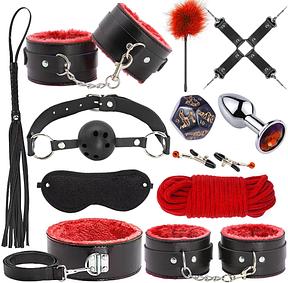
Not available in your region — closest match
View at Amazon (as of Aug 15)Affiliate link. Buying through it earns us a commission; the price stays the same for you.
The safety rules that are not optional
This is the shibari safety section I'd tattoo on a beginner's arm if I could. None of it is about being scared, at least not in my experience. It's about respecting what rope does to a body.
Start with the one that surprises people: the biggest risk in rope isn't circulation, it's nerves. A 2023 case series published in Cureus found the radial nerve involved in 90% of documented rope-bondage nerve injuries, almost always from compression on the mid-upper-arm during suspension. One documented case: a 29-year-old suspended for 25 minutes with 6mm jute rope developed wrist and finger drop and reduced hand sensation. Recovery took three to five months. That's not a horror story I'm using to scare you. It's the single best-sourced reason this guide keeps you on the floor and away from suspension.
So, the non-negotiables:
Nothing goes around the neck. Ever. Not loosely, not "carefully," not for a photo. The airway and the blood vessels there make it a line nobody crosses without expert, in-person supervision, and honestly not even then for most people. This isn't a beginner-versus-advanced thing. It's just off the table.
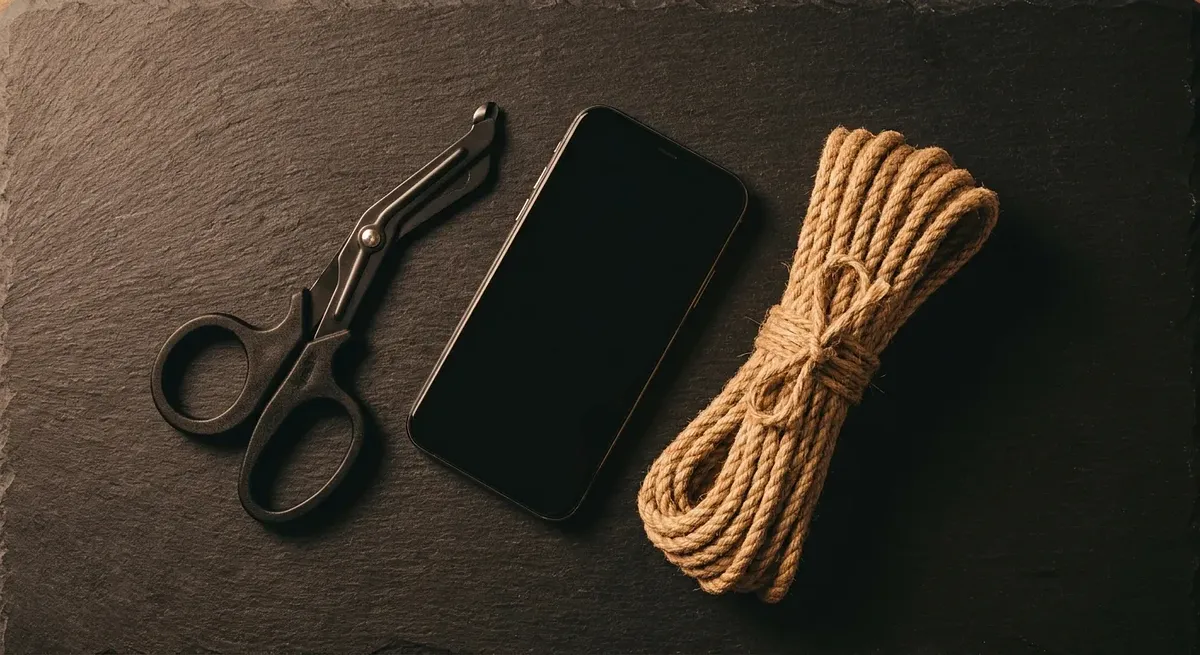
Keep safety shears within arm's reach the entire time. A knot can jam. A partner can go numb or panic. The moment you need to get someone out of rope fast is not the moment to go hunting through a bag. Blunt-tipped trauma shears slide under rope against the skin without cutting the person, and they cost almost nothing.
The EMT Bent Trauma Scissors, 7.7 Inch, Titanium-Coated Stainless Steel is the standard tool here, EMT-style bent shears with a blunt nose, and keeping a pair beside the rope (not across the room) is one of those cheap habits that separates careful practice from luck.
Never leave a tied person alone. Not to grab water, not to answer the door. Circulation and nerve issues can develop quietly, and a bound person may not be able to help themselves.
Check in, and change position, often. Educators generally advise moving before the roughly 30-minute mark of reduced circulation to a limb, and sooner for anyone with high blood pressure, diabetes, or a heart condition. Watch for cold hands, colour changes, tingling, or numbness. Numbness especially. If a hand goes to sleep, that's a nerve talking, and you loosen the rope then, not after the tie looks nice.
And know your high-risk zones. The upper arm where the radial nerve runs close to the surface. The joints. The armpits. The crotch fold. You don't need to memorise an anatomy textbook to start, but you do need to know these are places rope treats you harshly.
Here's the reassuring part, and it's genuinely true: most serious rope injuries aren't bad luck. According to rope educators, the most common beginner failure isn't a bad knot at all. It's skipping the body-safety homework and rushing toward advanced ties before the basics are solid. That's a fixable mistake. Which means the risk is largely in your hands.
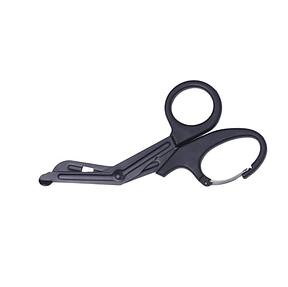
EMT Bent Trauma Scissors, 7.7 Inch, Titanium-Coated Stainless Steel
View at AmazonAffiliate link. Buying through it earns us a commission; the price stays the same for you.
Where to learn, for real
I'll be blunt about this, because it matters. You should not learn rope safety from video alone, and you definitely shouldn't learn suspension from the internet.
Find in-person instruction. Most cities with any kind of kink scene have rope groups, munches, or workshops where experienced people teach fundamentals in a room where someone can catch your mistake before it becomes an injury. A beginner floor-work class is worth ten YouTube playlists. If there's genuinely nothing local, structured online courses exist, but treat them as a supplement to real hands-on mentorship, not a replacement.
Start slow. Stay on the floor for a good long while. Get comfortable reading your partner's hands and face before you get ambitious with what you tie. There's no prize for rushing, and the people who've been doing this for years are, almost without exception, the ones telling beginners to slow down.
That's the whole thing for shibari for beginners, really. Talk first. Choose forgiving rope. Keep the shears close, keep off the neck, and never walk away. Do those, learn from real humans, and shibari stops being intimidating and starts being what it should be: something careful, curious people do together, on their own terms.
If you want to keep reading before you keep tying, our kink encyclopedia has plain-language entries on consent, negotiation, and safewords that pair naturally with everything here.
All products from this post
The ones we named above are marked; the rest are alternatives in the same category.
Affiliate notice: As an Amazon Associate, we earn from qualifying purchases. Product prices and availability are subject to change.
Frequently Asked Questions
Do I need a partner, or can I start solo?
You can do both. Self-tie is a real practice and a common way to learn rope handling on your own body without coordinating with anyone else. That said, the safety rules don't relax when you're solo. Keep shears in reach, stay off your own neck, and don't tie yourself into anything you can't get out of quickly if a hand goes numb.
Is shibari the same as bondage?
Not exactly. Bondage is the broad category of restraint. Shibari is a specific rope tradition with Japanese roots, more focused on the rope itself, the patterns, and often the aesthetic or connective side. All shibari is bondage, but plenty of bondage isn't shibari.
What rope should an absolute beginner buy first?
Cotton is the usual first pick because it's soft, cheap, and forgiving of mistakes. Jute and hemp hold tension better and are what many people move to later, but they need more care. Skip slippery synthetics at the start. A short, manageable length around 7 to 8 meters is plenty to learn the basics.
Why does this guide avoid suspension?
Because the documented injury risk is concentrated there. Lifting a body off the floor loads nerves and joints in ways floor work doesn't, and the clinical case data on rope nerve injury comes largely from suspension. Suspension is a real skill people learn safely, but only with in-person mentorship, well past the beginner stage.
How long can someone stay tied?
Shorter than most beginners assume. Circulation to a limb is generally fine for up to roughly 30 minutes, and less for anyone with blood pressure, diabetes, or heart issues. But don't treat that as a timer to run down. Check in constantly, and loosen or move at the first sign of numbness, tingling, or colour change.
Is shibari safe?
It carries real risk that you manage rather than eliminate, which is the whole point of the risk-aware approach. Done with good negotiation, forgiving rope, shears on hand, no neck involvement, and constant check-ins, floor-based rope is something many adults enjoy safely. It's never risk-free, and anyone promising you it is should make you nervous. That's my honest take.