What Is It?
Pony play is a form of BDSM roleplay where one partner takes on the role of a horse while the other acts as handler, trainer, or rider. The pony adopts equine behaviors, moves in specific gaits, responds to commands, and partially or fully releases their human identity.
Here's what makes it interesting: it works just as well on a purely psychological level as it does with elaborate gear. Some ponies wear bridles, tail plugs, and custom hooves. Others experience the transformation through body language and mindset alone. The equipment amplifies the experience, but it doesn't define it.
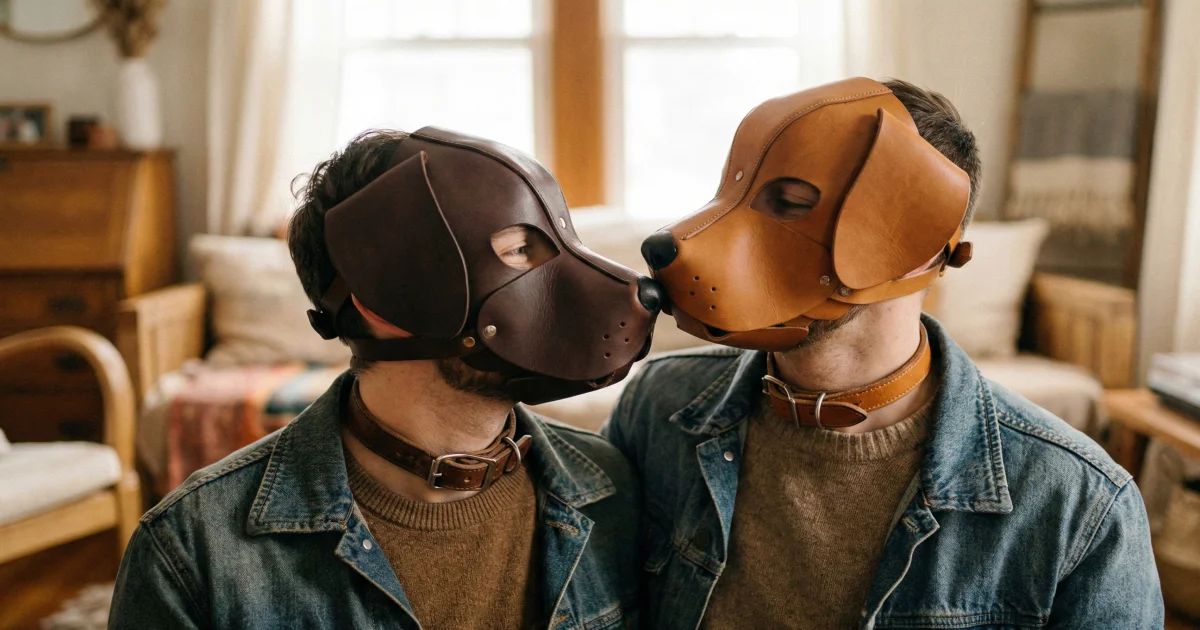
Unlike other pet play varieties like kitten play (playful, independent) or puppy play (loyal, eager to please), equine roleplay emphasizes training, posture, and performance discipline. While a kitten gets to be playful, a pony strives for elegance and precision.
There are different disciplines too. Show ponies train for beauty and gait. Cart ponies pull carts or sulkies. Riding ponies carry a rider (though this is rarer and requires serious preparation).
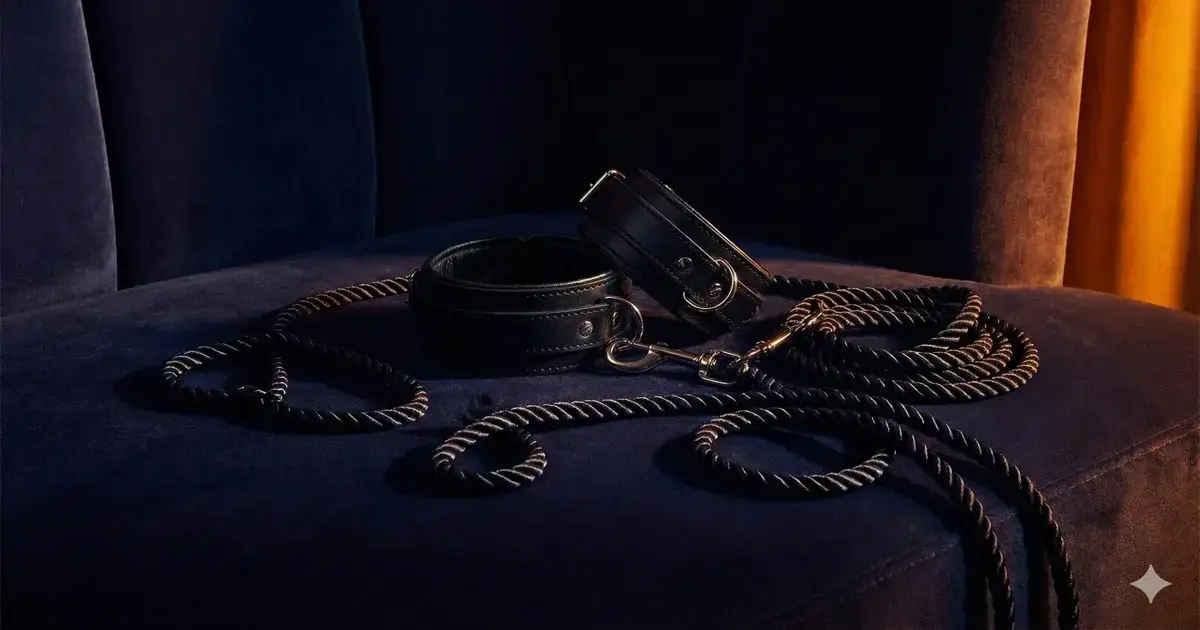
Explore related products: Halsfessel plus Leine, Fessel leicht gepolstert, verstellbar, Gerte „Bound to You Riding Crop“.
Halsfessel plus Leine, Fessel leicht gepolstert, verstellbar
View at ORIONAffiliate link. Buying through it earns us a commission; the price stays the same for you.
Gerte „Bound to You Riding Crop“
View at ORIONAffiliate link. Buying through it earns us a commission; the price stays the same for you.
Why People Enjoy It
Escape
You step into a role and your actual life just disappears. No emails. No decisions. No one asking when you're coming home. You exist in the moment, following commands. That's it.
Physical intensity
Kittens get to be silly. Ponies work. You're moving your body, training gaits, feeling muscles you forgot you had. This isn't fantasy roleplay where you pretend hard enough—it's real, physical exertion. That grounds people in a way that pure fantasy can't.
The power dynamic
You hand over control, but it's not about submission. It's about being shaped and trained. The handler isn't dominating—they're improving you. That's a different feeling entirely.
Attention
Some people are hardwired for it. Being displayed, being judged, being the center of attention turns them on. This gives that a structured outlet. (Well, as structured as BDSM gets.)
The Spectrum
| Level | Stage | What it involves |
|---|---|---|
| Light | Light | You try it without any gear at all. Maybe moving on all fours, or practicing the "walk" on two legs while your partner gives simple commands. Head up. Stand still. Turn. That's enough to feel whether the dynamic appeals to you. |
| Moderate | Moderate | At this point, first accessories usually come into play. A simple halter, perhaps arm cuffs as symbolic "front hooves." Regular training sessions working on gaits and posture. The roles become more defined, the play more structured. |
| Intense | Intense | Full gear. Bridle with bit, body harness, tail plug, hoof boots or sandals. Multi-hour scenes or entire events. Possibly public appearances at fetish gatherings. The pony has a developed personality, a name, maybe even a backstory. |
| Advanced | Advanced | Sulky pulling with actual carts, riding play with saddles (requires considerable preparation and safety knowledge), competitions at pony events, integration into lifestyle with regular training routines. |
Safety & Communication
Physical safety during training
Gait work is demanding. Warm up, stay hydrated, watch for joint complaints. The knees take particular strain during trotting.
Bits and gags
Anything restricting the mouth requires clear nonverbal signals. Agree before the scene how the pony communicates. Snorting for "okay," head shaking for "pause," stamping for "stop immediately," for example.
Tail plugs
Pay attention to hygiene during longer wear. Don't go directly from anal to other activities. Use sufficient lubricant, especially during movement.
Riding play
A rider's weight is significant. Without training and preparation, injuries threaten. Most practitioners simulate riding rather than actually doing it. If you try it: short periods, knee pads, clear limits.