What Is It?
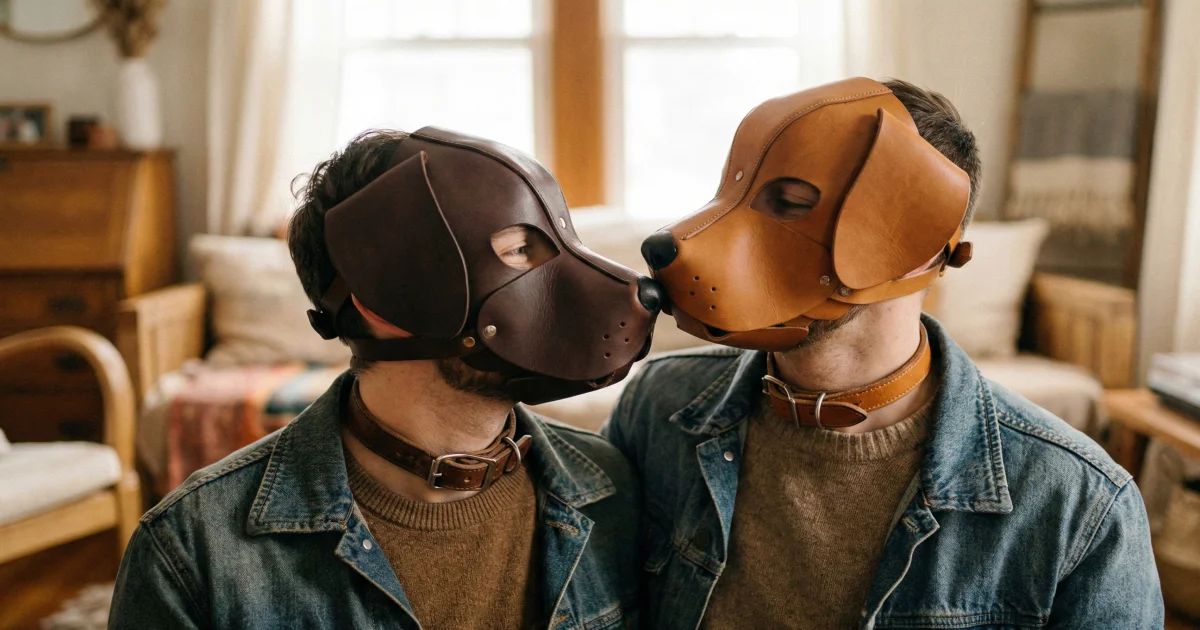
Pup play is a form of role play where someone takes on puppy-like behaviors and mindset. They might wag, bark, fetch, wrestle, and experience the simple joy of existing without human complexity for a while. It's not about pretending to be an actual dog. It's about accessing a headspace where social pressures melt away and instinct takes over.
The person in the puppy role is called a "pup." Their partner, if they have one, often takes the role of "handler" or "trainer." But pup play doesn't require a partner. Plenty of people explore pup space solo, finding it a form of meditation or stress release.
Pup play emerged from the leather community in the 1980s but has grown well beyond those origins. Today you'll find pups of all genders, orientations, and backgrounds. Some treat it as a sexual kink. Others see it primarily as identity or community. Many experience it as both. The thing that connects pup players isn't any single motivation. It's the shared experience of finding something meaningful in letting go of human expectations.
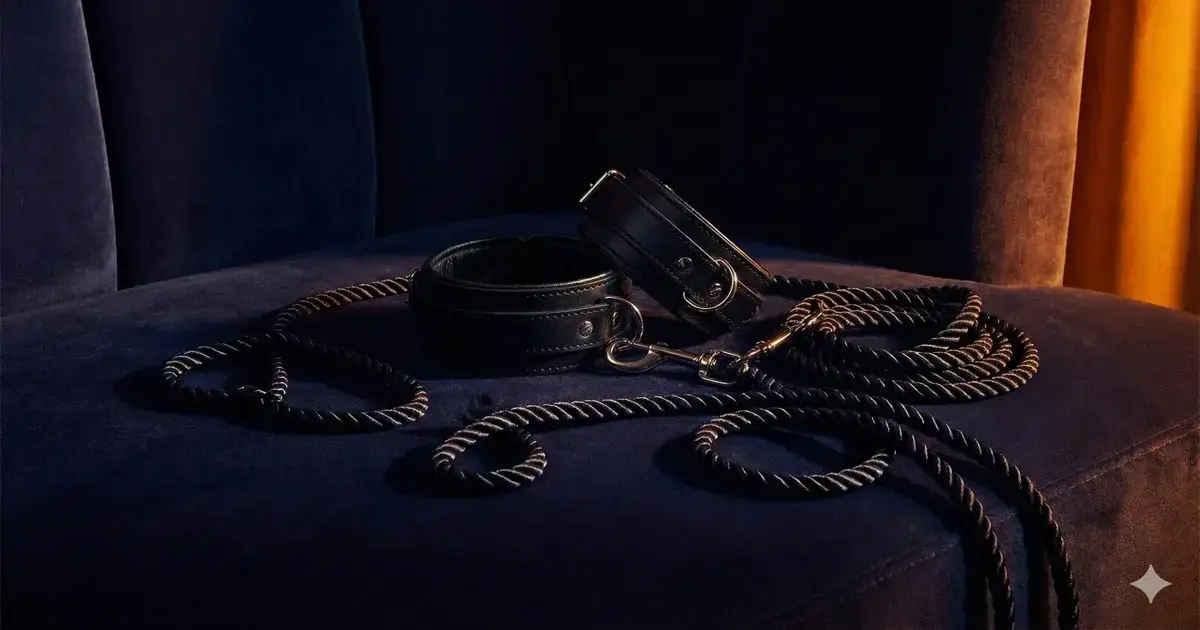
Explore related products: Halsfessel mit abnehmbarer Leine, Analplug „fluffy tail“ mit buntem Kunstfell-Schweif.
Halsfessel mit abnehmbarer Leine
View at ORIONAffiliate link. Buying through it earns us a commission; the price stays the same for you.
Analplug „fluffy tail“ mit buntem Kunstfell-Schweif
View at ORIONAffiliate link. Buying through it earns us a commission; the price stays the same for you.
The Spectrum
| Level | Stage | What it involves |
|---|---|---|
| Light | Light | Occasional playfulness with puppy elements. Maybe you bark at your partner to make them laugh, enjoy being petted while watching TV, or occasionally wear a collar around the house. Pup play stays casual and spontaneous. |
| Moderate | Moderate | Intentional pup play sessions where you enter headspace and stay there for a period. You might invest in a hood or tail, set aside specific time for play, and actively work on deepening your ability to access pup mindset. Your partner takes on a more defined handler role. |
| Immersive | Immersive | Pup play becomes a significant part of your identity and relationships. You own substantial gear, attend pup events, and may have ongoing handler-pup dynamics. Pup headspace comes easily and you might stay in it for extended periods. You likely have a pup name that feels as real as your given name. |
| Lifestyle | Lifestyle | Pup identity extends into daily life. You might live in an ongoing dynamic with a handler. Pup protocols structure your relationship. You participate actively in the pup community through events, mentorship, or competition. Being a pup isn't something you do. It's part of who you are. |
Getting Started
You don't need gear to start
Get on all fours. Shake off your human thoughts. Focus on physical sensation. Chase something. Make noise. Notice how it feels when you stop analyzing and just react. If this feels good, you've found something worth exploring.
Find what feels right for you
There's no single correct way to be a pup. Some pups are energetic and bouncy. Others are calm and cuddly. Some bark constantly, others rarely make sounds. Your pup persona should reflect something authentic in you, not someone else's template.
Chat with someone you might play with
If you want to explore pup play with someone, talk about it before you're on all fours in front of them. Explain what appeals to you. Ask if they'd be interested in trying a handler role. Set expectations about what you're comfortable with and what you want to explore.
Figure out what gear actually matters to you
When you're ready for gear, quality matters more than quantity. A hood that fits well transforms the experience. One that doesn't will frustrate you. Consider starting with a collar or mitts before investing in expensive hoods. Connect with other pups to get honest recommendations.
The community actually wants to help
The pup community produces excellent guides for newcomers. YouTube has tutorials on entering headspace. Online communities answer beginner questions without judgment. Local pup groups often welcome newcomers at social events before anything intimate. You don't have to figure this out alone.
Safety & Communication
Get specific about what you're both expecting
Pup play can include sex, but doesn't have to. It can involve dominance, submission, and bondage, but varies wildly. Before playing with someone new, get specific. "Let's try pup play" is too vague. "I want to try being in pup space while you pet me and give me simple commands, no sexual contact this first time" is much clearer.
Have a way to signal you need to pause
Deep pup space can make verbal communication harder. Agree on a clear way to signal that you need to stop. A safe word works, but consider a simple gesture too. Scratching the floor three times, for instance, requires no words.
If you're handling someone, you're taking care of them
Keep water nearby. Watch for signs of physical discomfort. Check in periodically. Being a handler isn't just about giving commands. It's about providing a safe container for the pup to let go. Discipline in pup play requires trust and attention.
Pay attention to what hurts
Crawling on all fours can mess with your knees and wrists. Extended wear of hoods gets hot. Tail plugs require the same safety awareness as any anal play with toys. Take breaks. Don't push through pain.
Ease back to normal gradually
Snapping back from deep headspace can mess with your head. Handlers should help pups transition back gradually. Cuddles, quiet conversation, water, and snacks all help. Don't rush from pup space directly back to normal life.