

Kink Encyclopedia
An educational, judgement-free guide to intimacy — written for safe, consensual exploration.
Pet Play
4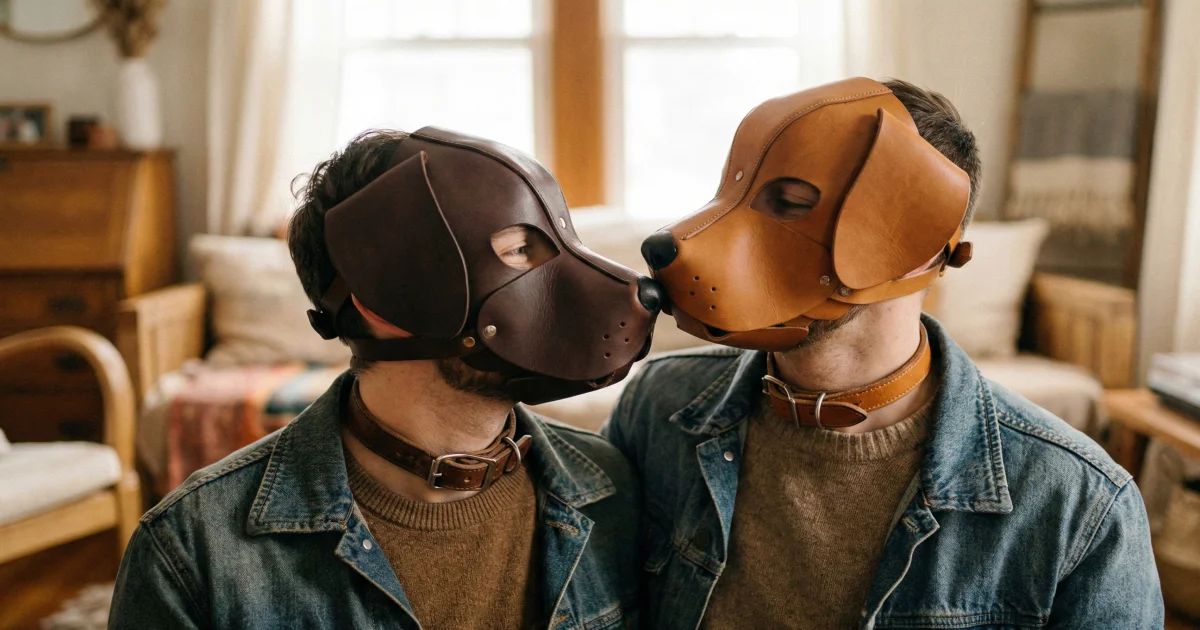
Kitten Play
Kitten play is a BDSM dynamic and form of pet play where one partner embodies a cat-like persona while the other takes on a caring owner or trainer role. Unlike more structured forms of submission, kitten play BDSM tends to be lighter, more playful, and focused on affection rather than strict obedience. The person in the kitten roleplay typically adopts feline behaviors: purring, rubbing against their partner, curling up for attention, or playfully batting at things. Some wear cat ears, collars, or tail accessories to deepen the experience. Others express their kitten side purely through behavior without any props at all. What separates kitten play from general dominance and submission dynamics is the specific energy it carries. Kittens are curious, sometimes bratty, often cuddly, and rarely fully obedient. This creates a dynamic that feels more like caring for a mischievous pet than commanding a disciplined subordinate. That's exactly the appeal for most people.
Pony Play
Pony play is a form of BDSM roleplay where one partner takes on the role of a horse while the other acts as handler, trainer, or rider. The pony adopts equine behaviors, moves in specific gaits, responds to commands, and partially or fully releases their human identity. Here's what makes it interesting: it works just as well on a purely psychological level as it does with elaborate gear. Some ponies wear bridles, tail plugs, and custom hooves. Others experience the transformation through body language and mindset alone. The equipment amplifies the experience, but it doesn't define it. Unlike other pet play varieties like kitten play (playful, independent) or puppy play (loyal, eager to please), equine roleplay emphasizes training, posture, and performance discipline. While a kitten gets to be playful, a pony strives for elegance and precision. There are different disciplines too. Show ponies train for beauty and gait. Cart ponies pull carts or sulkies. Riding ponies carry a rider (though this is rarer and requires serious preparation).
Pup Play
Pup play is a form of role play where someone takes on puppy-like behaviors and mindset. They might wag, bark, fetch, wrestle, and experience the simple joy of existing without human complexity for a while. It's not about pretending to be an actual dog. It's about accessing a headspace where social pressures melt away and instinct takes over. The person in the puppy role is called a "pup." Their partner, if they have one, often takes the role of "handler" or "trainer." But pup play doesn't require a partner. Plenty of people explore pup space solo, finding it a form of meditation or stress release. Pup play emerged from the leather community in the 1980s but has grown well beyond those origins. Today you'll find pups of all genders, orientations, and backgrounds. Some treat it as a sexual kink. Others see it primarily as identity or community. Many experience it as both. The thing that connects pup players isn't any single motivation. It's the shared experience of finding something meaningful in letting go of human expectations.
Pet Play
Picture this: You put on a collar, drop to your hands and knees, and for the next hour, your biggest concern is whether you'll get belly rubs or have to fetch a toy. No emails, no deadlines, no adulting required. That's pet play, a form of consensual roleplay where people take on animal personas (usually dogs, cats, or horses) while a partner plays Handler, Owner, or Trainer. What makes pet play different from just acting like an animal? The "headspace." Participants describe entering a mental state where they set aside human worries, responsibilities, and self-consciousness. It's less about performing tricks and more about experiencing a simpler way of being. Research published in Archives of Sexual Behavior found that people engage in pet play as much for psychological benefits like relaxation, escape, and identity exploration as for sexual pleasure. Pet play exists across a wide spectrum. On one end, you've got couples who throw on a collar during sex and call it a night. On the other, you've got people who own custom pup hoods, attend moshes twice a month, and introduce themselves to other pets by their breed. Both are valid. Both are pet play.