
What Is It?
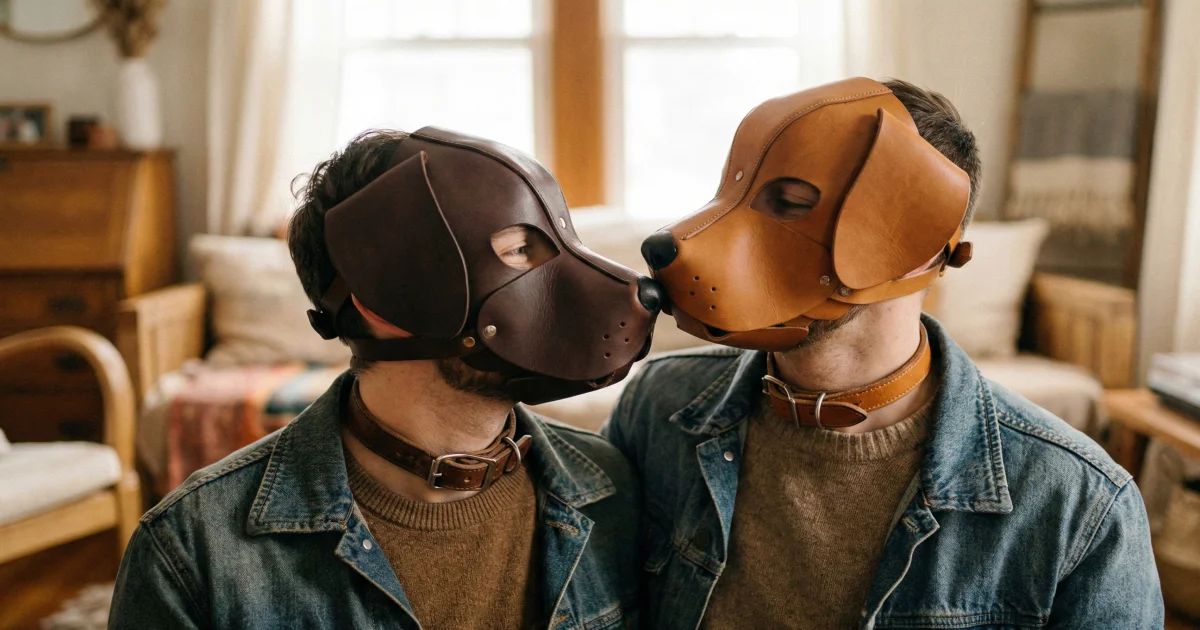
Picture this: You put on a collar, drop to your hands and knees, and for the next hour, your biggest concern is whether you'll get belly rubs or have to fetch a toy. No emails, no deadlines, no adulting required. That's pet play, a form of consensual roleplay where people take on animal personas (usually dogs, cats, or horses) while a partner plays Handler, Owner, or Trainer.
What makes pet play different from just acting like an animal? The "headspace." Participants describe entering a mental state where they set aside human worries, responsibilities, and self-consciousness. It's less about performing tricks and more about experiencing a simpler way of being. Research published in Archives of Sexual Behavior found that people engage in pet play as much for psychological benefits like relaxation, escape, and identity exploration as for sexual pleasure.
Pet play exists across a wide spectrum. On one end, you've got couples who throw on a collar during sex and call it a night. On the other, you've got people who own custom pup hoods, attend moshes twice a month, and introduce themselves to other pets by their breed. Both are valid. Both are pet play.
Explore related products: Halsfessel plus Leine, Fessel leicht gepolstert, verstellbar, Halsband, mit Strass-Elementen.
Halsfessel plus Leine, Fessel leicht gepolstert, verstellbar
View at ORIONAffiliate link. Buying through it earns us a commission; the price stays the same for you.
Halsband, mit Strass-Elementen
View at ORIONAffiliate link. Buying through it earns us a commission; the price stays the same for you.
The Spectrum
| Level | Stage | What it involves |
|---|---|---|
| Light | Light | You're having sex, and your partner whispers "good boy" while scratching behind your ears. Or maybe you wear a collar to bed three nights a week. That's it. No gear, no protocol, just a small D/s flavor that feels playful and intimate. |
| Moderate | Moderate | Friday nights are "pup nights." You put on your ears and tail, eat dinner from a bowl on the floor, then curl up on your Handler's lap while they watch TV and scratch your head. Maybe you go to the park and practice "heel" on a leash. It's a whole evening's activity, not just bedroom stuff. |
| Immersive | Immersive | Your friends know you by your pet name more than your legal name. You own a custom leather pup hood that cost several hundred dollars. You attend moshes monthly, you've got a pack of fellow pups you play with, and when you're stressed at work, you literally count down the hours until you can go home and slip into headspace. Your pet identity isn't a weekend hobby, it's part of who you are. ### Types of Pet Play | Type | Personality | Energy | Common Activities | |------|-------------|--------|-------------------| | Puppy Play | Loyal, eager to please, playful | High, enthusiastic | Fetching, wrestling (moshing), learning tricks, cuddling | | Kitten Play | Independent, sensual, mischievous | Variable, often lazy/aloof | Being petted, batting at toys, curling up, selective attention | | Pony Play | Graceful, proud, performance-oriented | Focused, athletic | Dressage, carriage pulling, training routines, showing off | |
Getting Started
Talk before you play.
Discuss what appeals to each of you. Does one person want to be the pet? Both? What kind of animal? What activities sound fun versus off-limits? The Pup Play Negotiation Form provides a structured template if you want guidance.
Start small.
Tonight, try calling your partner "good boy" during sex and see if it lands. Next week, maybe add a collar. The week after that, ask them to sit and stay for 30 seconds while you watch. Build slowly. You don't need gear, training protocols, or a fully developed persona to explore pet play. (And honestly, trying to build a complete "pup identity" before your first session is like buying professional ski equipment before you've ever seen snow. Don't overthink it.)
Explore headspace gradually.
Going deep into pet space can feel disorienting at first. Start with short sessions (15-30 minutes) and work up to longer ones as you learn your boundaries.
Find your style.
Read about puppy play, kitten play, and pony play to see which resonates. Or invent your own animal. There are foxes, bunnies, wolves, and many more.
Consider the pet play community.
Organizations like Freie Wuffel e.V. (Germany) and PAH (Pets and Handlers) groups across the US host "moshes," think puppy playdates for adults. Imagine 20-30 people in pup gear wrestling, playing tug-of-war, and socializing while Handlers supervise. It sounds chaotic (and it kind of is), but it's also where newcomers learn the ropes, make friends, and realize they're not alone in this. The pet play community welcomes newcomers and offers support, friendship, and learning opportunities.
Safety & Communication
Establish non-verbal safe signals.
A pet in deep headspace may be non-verbal or unable to speak clearly (especially with gags or hoods). Agree on a hand gesture, repeated tapping, or dropping a held object to signal "stop" before the scene begins.
Check gear regularly.
Collars, mitts, and restraints can restrict circulation. Puppy Pride's safety guidelines recommend checking every 10-15 minutes. Watch for numbness, tingling, or color changes in extremities.
Protect joints.
Crawling on hands and knees strains wrists, knees, and back, especially on hard floors. Use knee pads or padded mats. Take stretch breaks during longer sessions.
Plan for aftercare.
Coming out of pet play headspace can leave people feeling vulnerable, disoriented, or emotionally raw. The Handler is responsible for helping their pet transition back gently. This might mean physical comfort (blankets, cuddling), hydration, quiet time, or verbal reassurance. Aftercare is not optional in any pet play scene.
Keep it sober.
Look, this should be obvious, but alcohol and drugs kill your ability to communicate, recognize when something's wrong, and give meaningful consent. Plus, if you're drunk in a pup hood with your hands in mitts, you're a safety disaster waiting to happen. Save the beer for after the scene.